7 Easy Steps to Speaking St. Lucian Kwéyòl Like a True Lucian

webmaster

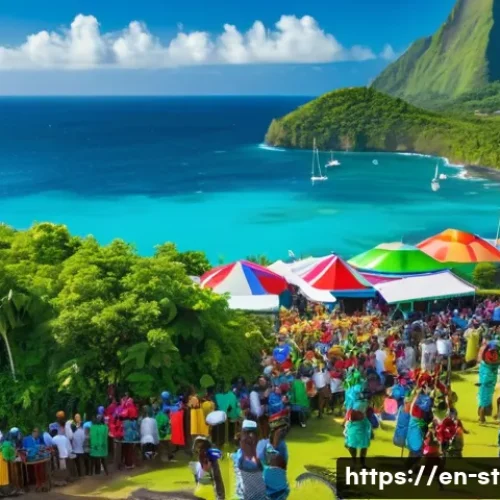
세인트루시아 크리올어 배우기 - **Prompt 1: Vibrant Market Connection in Saint Lucia**
    "A bright, cheerful scene at a bustling o...

You know, there’s something truly magical about connecting with a new culture on its own terms. As someone who’s always chasing authentic travel experiences, I’ve discovered that diving into the local language is the ultimate key.

Recently, my curiosity led me to the vibrant island of Saint Lucia, and what truly struck me wasn’t just its breathtaking Pitons or pristine beaches, but the melodic beauty of its French-based Creole language, affectionately known as Kwéyòl.

It’s more than just words; it’s the very soul of the island, a rich tapestry woven from history, resilience, and pure Caribbean spirit. I’ve seen firsthand how just a few Kwéyòl phrases can transform a simple interaction into a warm, unforgettable moment, unlocking doors to a side of Saint Lucia most tourists never even glimpse.

Forget those generic guidebooks for a moment, because learning Kwéyòl isn’t just about vocabulary; it’s about experiencing the rhythm of local life, from bustling markets to serene village gatherings, in a way that truly resonates.

The current resurgence of this beautiful language across the island, with renewed efforts even in schools, makes now the perfect time to embrace it and genuinely immerse yourself.

So, are you ready to elevate your travel game and discover the heart of Saint Lucia? Let’s find out exactly how!

The Soulful Symphony: Why Kwéyòl is More Than Just Words

세인트루시아 크리올어 배우기 - **Prompt 1: Vibrant Market Connection in Saint Lucia**
    "A bright, cheerful scene at a bustling o...

When I first arrived in Saint Lucia, I was immediately swept away by the island’s natural beauty, but it wasn’t long before I noticed a different kind of beauty – the sound of Kwéyòl.

It’s impossible to truly understand Saint Lucia without understanding its “Lang Mama” or mother tongue. This language, often referred to as Patois by locals, is a vibrant fusion, primarily rooted in French vocabulary but with a grammar that’s deeply influenced by West African languages and even a touch of Carib, reflecting centuries of rich, complex history.

What I found was that while English is the official language, Kwéyòl is the everyday heartbeat of the island; it’s what you hear at the bustling markets, in lively conversations on local buses, and whispered between friends sharing a laugh.

My own journey confirmed that attempting to speak even a few phrases transformed ordinary interactions into something truly special, making locals appreciate the effort and opening doors to genuine connections.

It’s a language born of resistance and resilience, a testament to the ingenuity of enslaved Africans who adapted French to create a new, shared means of communication that was uniquely their own.

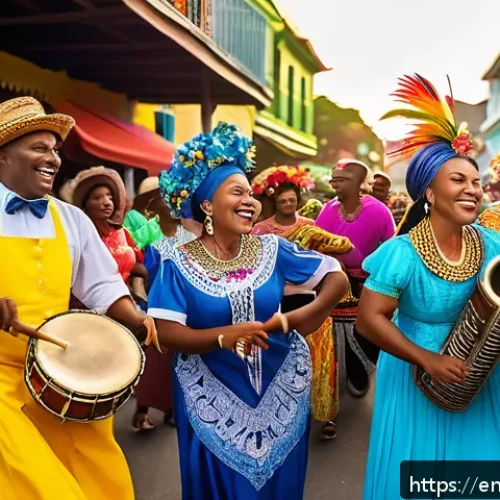
The deep sense of cultural pride in Kwéyòl is palpable, especially during events like Jounen Kwéyòl (Creole Day), a month-long celebration every October that showcases language, music, dance, and cuisine.

Connecting Beyond the Tourist Trail

I’ve always believed that true travel means stepping out of your comfort zone and truly engaging with the local fabric, and for me, that meant embracing Kwéyòl.

It’s not just about asking for directions or ordering food; it’s about understanding the subtle nuances of humor, belief, and morality that English often can’t fully convey.

I remember struggling with a particularly witty joke told in Kwéyòl, and a local friend just smiled and said, “You can’t translate that,” which really drove home the point.

It’s a language that carries the island’s collective memory, its traditional folk tales, and proverbs. When you speak Kwéyòl, even just a little, you’re not just communicating; you’re showing respect, a genuine interest in their heritage, and a willingness to step into their world, which can lead to incredible, spontaneous moments of connection.

I’ve found that these are the memories that truly stick with you, far more than any postcard view.

The Pulse of Everyday Life: Market Interactions and Local Charm

One of my favorite places to practice Kwéyòl was at the local markets. The vibrant energy, the colorful produce, and the friendly banter are intoxicating.

Knowing a few phrases like “Bonjou” (hello/good morning) and “Mèsi” (thank you) instantly softened faces and often led to broader smiles and even extra generous portions.

I recall one instance where I tried to haggle for some mangoes using my nascent Kwéyòl, and while I probably didn’t save much money, the vendor and I shared a hearty laugh, and she gave me an extra mango just for the effort.

It’s in these everyday interactions, far removed from the polished tourist resorts, that the real magic of Kwéyòl shines. It allows you to feel less like an observer and more like a participant in the island’s daily rhythm, a sensation that’s truly addictive.

Locals often appreciate the effort, making your time on the island more enjoyable and facilitating easier navigation.

Your First Steps: Essential Kwéyòl Phrases for Travelers

Embarking on a language learning journey can feel a bit daunting, but trust me, with Kwéyòl in Saint Lucia, even the smallest effort yields huge rewards.

You don’t need to be fluent to make a significant impact on your interactions. What I’ve learned from my travels is that people genuinely appreciate it when you try to speak their language, and Saint Lucians are no exception.

Start with the basics, those crucial phrases that show politeness and willingness to connect, and you’ll find that the doors to authentic experiences swing wide open.

I always carry a small notebook with key phrases, and believe me, pulling it out and genuinely trying to pronounce the words (even if I butcher them slightly!) has led to some of my most cherished travel memories.

It’s not just about the words themselves, but the intention behind them. Imagine being able to greet a local, thank them for their help, or even ask a simple question in their own language – it immediately breaks down barriers and fosters a sense of camaraderie.

The joy on a local’s face when you speak their “Lang Mama” is truly priceless and makes every little bit of effort worthwhile.

Greetings and Goodbyes: Making a Great First Impression

First impressions are everything, and in Saint Lucia, a warm “Bonjou” (BOHN-zjoo) for “hello” or “good morning” goes a long, long way. You’ll notice that “Bonjou” works for “good day” too, and as the evening rolls in, a polite “Bonswe” (BOHN-sway) for “good evening” is just perfect.

I remember distinctly how a simple “Bonjou” when entering a small village shop would instantly bring a smile to the proprietor’s face. When you’re ready to depart, “Orevwa” (oh-reh-VWWAH) is the equivalent of “goodbye” and shows immense respect.

Don’t forget those essential polite expressions like “Mèsi” (meh-SEE) for “thank you” and “Souplé” (soo-PLAY) for “please”. Trust me, these small gestures of speaking their language will instantly set you apart from the average tourist and often lead to more engaging and friendly interactions.

It’s a little linguistic magic that works wonders.

Navigating the Island: Practical Phrases for Getting Around

Getting around Saint Lucia, especially if you’re venturing beyond the main tourist hubs, can be an adventure in itself, and knowing a few practical Kwéyòl phrases will be your best friend.

I always found that asking “Kote pwévit-la ya?” (COH-tay pweh-VIT la YAH) for “Where is the bathroom?” was incredibly useful. It’s a phrase that often brings a chuckle and quick, helpful directions.

For general inquiries, “Sa ki sa?” (sah-KEE-sa) meaning “What is this?” or “Konmen pou sa?” (kohn-MEN poo-SAH) for “How much is this?” are incredibly handy when browsing local crafts or trying new foods.

While many locals speak English, making an effort with these practical phrases shows genuine interest and often results in even more helpful and enthusiastic responses.

It’s all about building that bridge!

Advertisement

Diving Deeper: True Immersion Beyond Textbooks

While phrasebooks are fantastic starting points, true language acquisition and cultural understanding happen through immersion, and Saint Lucia offers countless opportunities for just that.

I’ve personally found that the real breakthroughs in my own language learning journey come not from rigid classroom settings, but from throwing myself into real-life situations, making mistakes, and learning directly from the people who live the language every day.

It’s a bit like learning to swim; you can read all the books you want, but you truly learn by getting in the water. For Kwéyòl, this means engaging with the community, listening intently to the natural rhythms of conversation, and allowing yourself to be corrected (with a smile, of course!).

The island itself becomes your classroom, and its people, your most patient and encouraging teachers. This approach not only speeds up your learning but also enriches your entire travel experience, transforming it from a mere vacation into a profound cultural exchange.

Befriending Locals: The Best Teachers You’ll Find

Without a doubt, the best way to truly learn Kwéyòl is by engaging with Saint Lucians themselves. I’ve found that locals are incredibly welcoming and patient with learners, often delighted that you’re even attempting their language.

One of my favorite memories is spending an afternoon with a group of elderly women at a fish fry. They took great amusement in correcting my pronunciation and teaching me new words, their laughter echoing in the warm Caribbean air.

These spontaneous “lessons” are far more effective and memorable than any formal class. Don’t be shy to ask “Es ou ka palé Annglé?” (ess-OO kah pahl ohn-GLAY) meaning “Do you speak English?” if you get stuck, but always try a few Kwéyòl phrases first.

Taking local buses is another fantastic way to soak up the language; conversations flow freely, and you’ll hear Kwéyòl in its natural habitat.

Tune In: Music, Radio, and Storytelling

Language isn’t just spoken; it’s sung, danced, and narrated, and Kwéyòl is no exception. Immersing yourself in local Kwéyòl music and radio programs can be an incredibly effective and enjoyable way to improve your comprehension and grasp of the rhythm and intonation.

During my last trip, I made a point of listening to local radio stations like Caribbean Hot FM, which has Kwéyòl news editions. Even if you only catch a few words, your ear starts to attune to the sounds and patterns of the language.

Jounen Kwéyòl also features traditional folk tales, proverbs, and storytelling, which are cornerstones of celebrating the language. These oral traditions are treasure troves of linguistic and cultural insight, offering a window into the island’s soul that textbooks simply cannot provide.

Beyond Grammar: Understanding the Cultural Heartbeat of Kwéyòl

Learning a language isn’t just about memorizing vocabulary and verb conjugations; it’s about understanding the cultural context that gives those words their true meaning.

For Kwéyòl, this is especially true. The language is deeply intertwined with Saint Lucian identity, history, and social etiquette, carrying the weight of generations of experience and resilience.

What I’ve personally discovered is that a perfectly pronounced phrase can still miss its mark if you don’t grasp the underlying cultural values it represents.

It’s like trying to understand a joke without knowing the punchline, or a song without hearing the melody. This deeper understanding is what transforms a simple exchange into a meaningful connection, building trust and respect with the locals.

It’s a journey of empathy and cultural appreciation that goes far beyond surface-level communication.

Respect and Politeness: Unwritten Rules of Interaction

One thing I quickly learned in Saint Lucia is the immense value placed on respect and polite interaction, and Kwéyòl phrases often reflect this. Beyond just “please” and “thank you,” there’s a certain way of approaching conversations, especially with elders.

Address a gentleman as “Misye” (miz-YAY) and a lady as “Madamn” (MAH-dah-nm) or “Mazel” (MAHN-zelle) for an unmarried woman, and you’ll immediately earn their regard.

I recall a moment when I was asking for directions, and a kind older woman gently corrected my informal address. It was a subtle but profound lesson in the importance of cultural etiquette.

These seemingly small details in language use are crucial for navigating social situations gracefully and demonstrating genuine respect for the local customs and people.

It’s a key part of speaking like a local, not just sounding like one.

The Art of Storytelling: Patois as a Living Narrative

Kwéyòl is a language rich in storytelling, a medium through which history, wisdom, and humor are passed down. I’ve been captivated by how the language can paint such vivid pictures and convey emotions that sometimes feel diluted in English.

It’s often referred to as a “language of protest” but also one that carries the island’s unique humor, beliefs, and morals. I’ve sat for hours, utterly engrossed, as elders shared folk tales and proverbs in Kwéyòl, even with my limited understanding, feeling the weight and beauty of their words.

The annual Jounen Kwéyòl festival, particularly, highlights the island’s linguistic prowess through traditional folk tales and proverbs. Embracing this oral tradition is a powerful way to not just learn the language, but to truly understand the soul of Saint Lucia and its people.

Advertisement

Kwéyòl’s Enduring Legacy: A Testament to Resilience

세인트루시아 크리올어 배우기 - **Prompt 2: Kwéyòl Lesson with a Saint Lucian Elder**
    "A peaceful and intimate moment between a ...

The story of Kwéyòl is not just about a language; it’s a powerful narrative of resilience, identity, and cultural survival against immense historical odds.

Having researched its origins and witnessed its vibrant presence, I’m constantly struck by how deeply it’s woven into the very fabric of Saint Lucian identity.

It’s a language that emerged from challenging circumstances, yet it flourished, becoming a symbol of strength and distinctiveness for the people. This legacy isn’t confined to historical texts; it’s alive and thriving, evident in the renewed efforts to teach it in schools and its celebration in various national events.

To me, this demonstrates an incredible human spirit – the ability to create, preserve, and pass on something so uniquely precious, even when faced with pressures from dominant cultures and languages.

It really makes you appreciate the profound connection between language and identity.

From Plantation to Pride: The Evolution of a Language

Kwéyòl’s origins are deeply rooted in the plantation societies of the Caribbean, where enslaved Africans, speaking various West African languages, had to communicate with French colonizers and each other.

What emerged was not merely a broken French, but a new, complex language with French vocabulary and African grammatical structures. It was, in many ways, a language of resistance, a way for enslaved people to communicate without their masters understanding.

The island’s history, marked by changing hands between French and British colonizers, further shaped this unique dialect. From these challenging beginnings, Kwéyòl evolved from a vernacular often dismissed or stigmatized into a powerful symbol of Saint Lucian cultural identity.

It truly is a testament to the enduring spirit of a people.

Modern Revival: Schools and Celebrations

In recent years, there’s been a significant and heartening push to preserve and promote Kwéyòl, ensuring its legacy for future generations. I’ve been so encouraged to see that the Saint Lucian government has introduced Kwéyòl into schools and kindergartens as part of the education curriculum.

This move is a crucial step in formalizing the language and instilling pride in younger generations. While English remains the official language and a path to socioeconomic advancement, Kwéyòl is increasingly valued for its role in cultural identity.

Celebrations like Jounen Kwéyòl, held annually on the last Sunday of October, are not just festivities but vital platforms for showcasing the language through music, dance, and traditional cuisine, reinforcing its importance in the national narrative.

These efforts highlight a collective understanding that to preserve the culture, one must preserve its “Lang Mama.”

Unlocking Saint Lucia’s Hidden Gems with Kwéyòl

For those of us who travel not just to see but to feel, to experience the true essence of a place, learning Kwéyòl is undeniably your secret weapon in Saint Lucia.

It’s the key that unlocks experiences far beyond the glossy brochures and curated tours. I’ve personally discovered that the most unforgettable moments on any trip are often found off the beaten path, in interactions with locals who become temporary guides, storytellers, and friends.

With a few Kwéyòl phrases, you’re not just a visitor; you become a welcome guest, invited into a world that remains invisible to those who don’t make the effort.

This isn’t just about gaining access; it’s about gaining a deeper appreciation for the island’s authentic beauty and the warmth of its people. It’s about transforming a vacation into a truly immersive adventure that resonates long after you’ve returned home.

Discovering Authentic Villages and Hidden Beaches

My most treasured memories of Saint Lucia involve the times I ventured beyond the popular spots and stumbled upon hidden gems, often with the help of locals.

Knowing a few Kwéyòl phrases made all the difference. I remember a day when I was trying to find a particularly secluded beach, and after a few fumbled Kwéyòl questions, a friendly fisherman enthusiastically pointed me down a barely visible path.

These aren’t places you’ll find on Google Maps! It’s in these authentic villages and lesser-known spots, like the sleepy fishing village of Anse La Raye, that you truly experience Saint Lucian culture.

Speaking Kwéyòl breaks down the barrier between tourist and local, turning a simple request for directions into a shared moment that often leads to unexpected discoveries and invaluable insider tips.

Engaging with Artisans and Fisherfolk

The heart of Saint Lucia lies in its people, particularly the artisans, farmers, and fisherfolk who embody the island’s traditional way of life. Engaging with them, rather than just observing, offers a richer, more meaningful experience.

I’ve found that when you approach a craft vendor at a local market with a “Bonjou, mazel!” and ask about their wares in Kwéyòl, their eyes light up. They’re often eager to share stories about their craft, their daily lives, and even teach you a few more words.

My experience buying fresh fish directly from a fisherman on the beach was transformed by a few Kwéyòl greetings; he ended up showing me how to clean the fish, sharing tips I would have never learned otherwise.

These interactions become genuine cultural exchanges, turning transactions into connections and leaving you with memories far more profound than any souvenir.

Advertisement

Keeping the Kwéyòl Journey Alive: Resources and Continued Learning

My journey with Kwéyòl is an ongoing adventure, and I truly believe that consistent engagement is key to keeping any language alive and thriving within you.

It’s a bit like nurturing a plant – it needs regular watering and sunshine to grow. The beauty of today’s interconnected world is that even after you’ve left the stunning shores of Saint Lucia, you don’t have to leave the language behind.

There are so many fantastic tools and communities available that allow you to continue practicing, learning, and immersing yourself, keeping that special connection to the island vibrant.

What I’ve found is that the more I engage with these resources, the more confident I become, and the more excited I get about my next opportunity to put my Kwéyòl into practice.

It’s a continuous, rewarding loop of learning and discovery that truly enriches my life.

Kwéyòl Phrase Pronunciation Guide English Translation
Bonjou BOHN-zjoo Hello / Good morning / Good day
Mèsi meh-SEE Thank you
Souplé soo-PLAY Please
Padonn PAH-dohn Excuse me / Sorry
Koumon ou yé? COU-mon oo-YAY How are you?
Mwen Byen mwen-BEEyen I am fine
Wi / Non WEE / noh Yes / No
Kote pwévit-la ya? COH-tay pweh-VIT la YAH Where is the bathroom?

Online Tools and Community Groups

Even if you’re not currently on the island, the digital world offers fantastic avenues to continue your Kwéyòl studies. I’ve personally explored several online resources that have been invaluable.

Websites like Kwéyòl Hub provide interactive lessons, a rich dictionary, and cultural resources, often with a vibrant community of learners. There are also specific mini-courses, like the one offered by Kwéyòl Sent Lisi, which can be a great starting point for beginners or those looking to improve their fluency.

Platforms like Quizlet also offer flashcards for Saint Lucian Kwéyòl phrases, which I’ve found incredibly useful for vocabulary retention. Engaging in online forums or social media groups dedicated to Kwéyòl can connect you with other enthusiasts and native speakers, creating a supportive network for shared experiences and continuous practice.

Planning Your Next Kwéyòl Adventure

Learning Kwéyòl isn’t just a linguistic exercise; it’s a commitment to a deeper travel philosophy, one that values genuine connection over superficial sightseeing.

As my own Kwéyòl journey continues, I’m already dreaming of my next return to Saint Lucia, armed with new vocabulary and a more nuanced understanding of the language.

My advice to you is to keep practicing, keep listening, and keep that spark of curiosity alive. Consider booking another trip, perhaps during Creole Heritage Month in October, to fully immerse yourself in the festivities.

There are also options for one-on-one tutoring or group sessions with experienced teachers like Marylin Hyacinth, who has a long history of teaching Kwéyòl.

Every word you learn, every conversation you attempt, adds another layer to your travel experience, making each visit to this beautiful island even more profound.

Wrapping Things Up, My Friends!

And there you have it, folks! My incredible journey into the heart of Saint Lucia, fueled by the beautiful, resilient spirit of Kwéyòl. I truly hope that by sharing my experiences, I’ve managed to light a spark in you to embrace this language and, by extension, dive deeper into the island’s vibrant culture. Forget those surface-level tours; real magic happens when you try to speak the “Lang Mama.” It’s not just about learning words; it’s about opening your heart to a new way of seeing and feeling the world, forging connections that stick with you long after the tan fades. Believe me, the smiles, the laughter, and the genuine appreciation you’ll receive are absolutely priceless, making every stumble and mispronunciation worth it. So, next time you’re dreaming of the Caribbean, consider Saint Lucia and prepare to unlock its true soul – one Kwéyòl phrase at a time!

Advertisement

A Few Golden Nuggets of Wisdom for Your Trip

1. October is Your Month: If you’re serious about experiencing Kwéyòl and Saint Lucian culture at its peak, mark October on your calendar for Jounen Kwéyòl (Creole Day) and Creole Heritage Month. The entire island comes alive with music, dance, traditional food, and language celebrations. It’s an immersive feast for the senses, offering unparalleled opportunities to engage with the language and its proud speakers in a festive, vibrant atmosphere. You’ll find community events, delicious local delicacies, and performances that truly showcase the island’s rich heritage, making it the perfect time for a truly deep dive.

2. Embrace the Local Buses (Tap-Taps): Seriously, ditch the expensive taxis for a bit and jump on a local “tap-tap” bus. These brightly colored mini-buses are not only a cost-effective way to get around, but they’re also mobile cultural hubs. You’ll hear Kwéyòl flowing freely, experience the local music, and witness everyday life unfold. It’s an excellent, low-pressure environment to practice your greetings and simple phrases, and you might even strike up a friendly conversation with a local who’s more than happy to help you with your Kwéyòl. Just remember to signal clearly for your stop!

3. Savor the Local Flavors with Kwéyòl: Saint Lucian cuisine is an absolute treat, and trying to order your meal in Kwéyòl adds a whole new layer to the experience. Head to a local “fry” or a small, family-run restaurant and confidently ask for “pwason” (fish) or “dwi” (rice). You’ll likely get a warmer reception and maybe even some extra recommendations for dishes you might not have otherwise tried. Don’t be shy to ask “Ki sa sa yé?” (What is this?) about unfamiliar ingredients at the market. It’s a fantastic way to engage with vendors and truly taste the island.

4. Safety First, Always: While Saint Lucia is generally a safe and welcoming island, just like any travel destination, it pays to be aware of your surroundings, especially when venturing off the main tourist routes or at night. Keep your valuables secure, and if you’re heading to secluded areas, it’s always a good idea to go with a local guide or in a group. Most importantly, trust your gut feeling. A little common sense goes a long way in ensuring your Kwéyòl adventure remains safe and enjoyable.

5. Mind Your Manners and Money: The local currency is the Eastern Caribbean Dollar (XCD), but US dollars are widely accepted in tourist areas, though you might get a better exchange rate paying in XCD. Tipping is appreciated for good service, typically around 10-15% in restaurants. More importantly, always greet people with a “Bonjou” or “Bonswe” and a smile. Politeness and respect are highly valued, and using Kwéyòl greetings instantly shows you’re making an effort, which locals genuinely appreciate and often reciprocate with extra warmth and helpfulness.

Key Takeaways to Keep in Mind

At its core, my journey has taught me that embracing Kwéyòl isn’t just about learning a new language; it’s about unlocking the very soul of Saint Lucia. This beautiful, French-based Creole, steeped in history and resilience, is the authentic heartbeat of the island, connecting you directly to its people, traditions, and hidden gems. Making the effort, even with just a few simple phrases, profoundly enriches your travel experience, transforming you from a mere visitor into a valued guest. It truly is the ultimate key to authentic immersion, building genuine connections that resonate deeply and create unforgettable memories. So go on, give it a try – you won’t regret it!

Frequently Asked Questions (FAQ) 📖

You know, there’s something truly magical about connecting with a new culture on its own terms. As someone who’s always chasing authentic travel experiences, I’ve discovered that diving into the local language is the ultimate key.

Recently, my curiosity led me to the vibrant island of Saint Lucia, and what truly struck me wasn’t just its breathtaking Pitons or pristine beaches, but the melodic beauty of its French-based Creole language, affectionately known as Kwéyòl.

It’s more than just words; it’s the very soul of the island, a rich tapestry woven from history, resilience, and pure Caribbean spirit. I’ve seen firsthand how just a few Kwéyòl phrases can transform a simple interaction into a warm, unforgettable moment, unlocking doors to a side of Saint Lucia most tourists never even glimpse.

Forget those generic guidebooks for a moment, because learning Kwéyòl isn’t just about vocabulary; it’s about experiencing the rhythm of local life, from bustling markets to serene village gatherings, in a way that truly resonates.

The current resurgence of this beautiful language across the island, with renewed efforts even in schools, makes now the perfect time to embrace it and genuinely immerse yourself.

So, are you ready to elevate your travel game and discover the heart of Saint Lucia? Let’s find out exactly how! A1: Oh, this is a fantastic question, and one I get all the time!

Kwéyòl, also sometimes spelled Patois, is Saint Lucia’s very own French-based Creole language. Think of it as a vibrant linguistic tapestry woven from 17th-century French, mixed with West African languages and a sprinkle of Indigenous Carib words.

It’s not just a dialect; it’s a distinct language, a living testament to the island’s rich and often tumultuous history. It tells a story of survival, creativity, and identity.

Now, as for *why* you should bother learning it – well, speaking from my own experience, it’s a total game-changer! While English is the official language and everyone in the tourist areas speaks it, using even a few Kwéyòl phrases is like unlocking a secret level of connection.

It shows respect, opens doors to more authentic interactions, and truly makes locals beam. My heart just melted when I saw the genuine surprise and warmth in people’s eyes when I tried to order a fresh coconut water in Kwéyòl at a local market.

It immediately shifts the dynamic from ‘tourist’ to ‘curious visitor trying to connect,’ and that, my friends, is priceless. It’s how you get those truly unforgettable moments, the ones that make a trip more than just a vacation.

A2: Absolutely, yes! This is a common misconception, and I’m so glad you asked. Despite English being the official language, Kwéyòl is very much alive and thriving on the island.

It’s truly the language of daily life for most Saint Lucians, especially outside the main tourist hubs. You’ll hear it everywhere: in homes, at the local shops, on the radio, between friends catching up, and echoing through bustling towns like Soufrière or Vieux Fort.

It’s the language of jokes, storytelling, and spontaneous conversations. I vividly remember sitting at a tiny roadside eatery, completely mesmerized by the animated chatter around me – it was all Kwéyòl!

Even in Castries, the capital, if you venture beyond the cruise ship docks, you’ll hear it constantly. For tourists, while you won’t *need* it to get by, I promise you’ll find countless opportunities to use those little phrases you pick up.

Greeting someone with “Bonjou!” (Good morning) or thanking them with “Mèsi” (Thank you) can spark a genuine smile and perhaps even a longer, friendlier chat.

It’s about participation, not just observation, and it makes every interaction so much richer. Trust me, learning a few words will be one of the most rewarding parts of your trip!

A3: Fantastic! That’s the spirit! You don’t need to become fluent overnight to make a big impact.

My advice for a short trip is to focus on a few key phrases that are pure gold for everyday interactions. Start with greetings: “Bonjou” (Good morning), “Bonswa” (Good evening), and “Sakafèt?” (How are you?).

The response to “Sakafèt?” is usually “Mwen byen” (I’m good). Then, definitely learn “Mèsi” (Thank you) and “Souplé” (Please). Knowing “Wi” (Yes) and “Non” (No) is always helpful too.

I found that just mastering these basics completely transformed my interactions. Beyond phrases, simply *listening* is incredibly powerful. Pay attention to the rhythm and intonation.

There are also some great online resources – YouTube channels and apps specifically for Kwéyòl are becoming more common as the language experiences this wonderful resurgence.

Before my last trip, I spent about 15-20 minutes a day for a week practicing simple sentences on a free app, and it paid dividends. You could even print a small cheat sheet of common phrases to carry with you.

The key is to be brave, try it out, and don’t worry about perfect pronunciation. Locals appreciate the effort more than anything, and that’s truly what makes the experience so memorable!

Advertisement