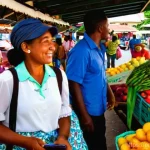
Ever wondered what it’s truly like to work in a Caribbean paradise? My journey into St. Lucia’s professional landscape has been an eye-opener, revealing a unique blend of island warmth and business professionalism that’s quite unlike anywhere else.
From what I’ve experienced, building genuine relationships and embracing a more relaxed pace are absolutely key to thriving, although punctuality remains highly valued for those critical meetings.
It’s a fascinating dance between local customs and global expectations, especially when you’re navigating hierarchical structures and understanding the subtle art of communication here.
If you’re considering a move, exploring remote work, or just curious about this vibrant island’s career scene, I’ve gathered some truly illuminating insights you won’t want to miss.
Let’s delve deeper and uncover the real Saint Lucian workplace culture!
Working in Saint Lucia has been an adventure, a vibrant tapestry woven with sunshine, genuine smiles, and a professional rhythm that marches to its own, beautiful beat.
It’s not just about what you do, but how you connect, how you adapt, and how much you’re willing to embrace the unique cadence of island life. I’ve been fortunate enough to dive deep into this experience, and what I’ve discovered is a workplace culture that truly values relationships, making every interaction feel a bit more personal, a touch more meaningful.
If you’re like me, always on the lookout for a fulfilling career journey that offers more than just a paycheck, then tuning into the nuances of Saint Lucian professional life is absolutely essential.
From my firsthand perspective, it’s a journey that challenges your assumptions and rewards you with rich, unforgettable experiences.
The Unique Cadence of Professional Life

Stepping into the professional landscape of Saint Lucia, I quickly realized that the usual hustle and bustle I was accustomed to had a different, more fluid pace. It’s a fascinating blend where business gets done, but often with a personal touch that genuinely surprised me. I’ve found that while punctuality for critical meetings is indeed valued—and believe me, showing up on time always sets a great first impression and shows immense respect—there’s also a noticeable flexibility in how time is perceived overall. It’s less about rigidly adhering to a minute-by-minute schedule and more about achieving goals efficiently, often after a bit of friendly small talk and connection-building. I’ve learned to appreciate that a meeting might start a few minutes late, but those initial moments are often spent building rapport, which in the long run, strengthens partnerships in a way that simply rushing into agenda items never could. This isn’t laziness; it’s a deliberate, culturally ingrained approach that prioritizes human connection. I’ve personally seen how taking the time to ask about someone’s family or weekend can open doors that pure transactional talk might keep firmly shut. It makes every professional interaction feel less like a chore and more like an extension of the island’s inherent warmth.
Punctuality vs. Island Time: Finding the Sweet Spot
Navigating the balance between what I’d call “global punctuality” and “island time” has been one of my most interesting learning curves here. I quickly realized that while a relaxed approach is part of the charm, certain professional contexts still demand crisp timeliness. For instance, when I had my first major presentation with a new client, I made sure to arrive well ahead of schedule, setting up my equipment and being ready to go. That attentiveness was definitely noted and appreciated. However, for internal team meetings or more casual engagements, I’ve found that a bit of grace period is often extended. It’s about discerning the situation. If you’re coordinating with international partners or high-level officials, aim for strict punctuality. But if you’re meeting a local colleague for a coffee to discuss a project, don’t sweat a five-minute delay. The key, I’ve learned, is to communicate. If I anticipate being even a little late, a quick message goes a long way in showing respect, aligning perfectly with the local preference for polite and engaging communication. It’s about being respectful of others’ time while also understanding the rhythm of the place you’re in. This nuanced approach has actually reduced my own stress levels, allowing me to be present and focused rather than constantly rushing against an invisible clock.
Hierarchy and Respect: Understanding the Chain of Command
From my observations, workplaces in Saint Lucia often operate with clear hierarchical structures, which means respecting authority and senior management is paramount. It’s not uncommon to address individuals by their professional titles and last names, especially during initial introductions or in formal settings, as a sign of deference. I distinctly remember being advised by a local mentor to always use “Mr.” or “Ms.” until explicitly invited to use a first name, and this simple act has consistently helped me establish a respectful foundation for my professional relationships. Decisions, as I’ve experienced, typically flow from the top down, although I’ve also seen companies that genuinely value and seek input from their employees, especially those fostering a more collaborative culture. Understanding who the key decision-makers are and where they fit into the organizational chart is incredibly important for effective communication and for moving projects forward. It’s about recognizing the established order, but also knowing how to respectfully present ideas and contribute within that framework. This understanding has allowed me to navigate corporate dynamics more effectively, ensuring my contributions are heard and appreciated within the existing structure. It’s a foundational element for building trust and proving yourself a capable and culturally aware professional.
Cultivating Connections: The Heart of St. Lucian Business
One of the most profound lessons I’ve taken from working here is that business in Saint Lucia isn’t just about transactions; it’s deeply rooted in relationships. It’s like tending a garden – you don’t just plant a seed and expect it to flourish without consistent care and attention. I’ve found that building genuine connections here takes time and intentional effort, extending far beyond the boardroom. It involves shared meals, engaging in lighthearted banter, and truly getting to know people on a personal level before diving into the nitty-gritty of deals and projects. I remember an early business lunch where I expected to immediately launch into a presentation, but instead, my host spent the first half-hour discussing local fishing spots and family life. At first, I was a little antsy, eager to get to “business.” But then it clicked: this *was* business. This was how trust was forged, how a handshake became more than just a greeting—it became a promise of sincere engagement. It’s a beautiful, organic process that builds a strong, resilient network that truly supports you, both professionally and personally. This approach isn’t just a nicety; it’s a fundamental aspect of how things operate, making for a far more enjoyable and sustainable working environment.
Beyond Business Cards: The Power of Personal Connections
While exchanging business cards is a common practice, the real value, in my experience, lies in the follow-up and continued personal engagement. I’ve made it a point to remember details from casual conversations—a colleague’s child’s school event, a client’s favorite local dish, or a shared love for hiking the Pitons. These small, thoughtful gestures demonstrate genuine interest and help solidify relationships in a way that no formal meeting ever could. It’s about showing that you see the person, not just the professional title. I’ve often followed up a productive meeting with a quick email referencing a non-work-related topic we discussed, or even shared a local news article I thought they might find interesting. This kind of authentic relationship-building has been invaluable, not just for networking, but for truly feeling like part of the community. It’s what transforms mere contacts into allies and friends. I’ve found that these personal bonds often lead to unexpected opportunities and a level of collaboration that transcends typical corporate structures, showcasing the true warmth of Saint Lucian professional interactions. The professional landscape thrives on mutual respect and shared understanding, which these personal connections truly foster.
Community Engagement: More Than Just a Job
Being involved in the local community has surprisingly opened up many professional avenues for me, far beyond what I initially expected. It’s about more than just finding a job; it’s about integrating into the fabric of island life. I’ve volunteered at local events, attended cultural festivals, and even joined a local hiking group. Through these activities, I’ve met people from diverse backgrounds – entrepreneurs, government officials, artists, and educators – all in a relaxed, informal setting. These interactions, devoid of typical business pressures, have often led to invaluable insights, introductions, and even project collaborations. I recall meeting a potential partner at a community beach cleanup who later became instrumental in a key project. It wasn’t a “networking event” in the traditional sense, but the shared experience created an instant bond and a foundation of trust. The Saint Lucia Coalition of Service Industries (SLCSI) actively works to bridge gaps between professionals and foster collaboration, highlighting the importance of such engagement. It’s a powerful reminder that in Saint Lucia, your professional life is often intertwined with your community life, and investing in one naturally benefits the other. This holistic approach makes the work I do here feel incredibly integrated and purposeful, contributing not just to my career, but to the island itself.
Mastering the St. Lucian Communication Style
Communication here is an art form, really. It’s a wonderful mix of directness and polite nuance that I’ve learned to navigate with a blend of careful listening and a genuine desire to connect. My experience tells me that while clarity is always appreciated, especially when giving instructions or setting clear expectations, the delivery matters just as much, if not more. It’s not uncommon for conversations to begin with pleasantries and small talk, setting a warm, inviting tone before shifting to business. This approach is rooted in the island’s culture of hospitality and respect, making interactions feel less transactional and more human. I vividly remember a time when I was eager to get to the point in an email, only to realize later that a slightly more personal opening would have been far better received. I quickly adapted, realizing that building rapport through communication, even in written form, is a significant part of doing business effectively here. It’s about reading between the lines, paying attention to body language, and understanding that what’s *not* said can sometimes be as important as what is. This style fosters an environment where people feel genuinely heard and respected, strengthening professional bonds in the process.
Reading Between the Lines: Indirectness and Nuance
Initially, I found the communication style in Saint Lucia to be quite subtle, sometimes even indirect, especially when dealing with potentially sensitive or negative feedback. Coming from a culture that often values blunt honesty, I had to consciously adjust my approach. I learned that directness is usually reserved for clear task-oriented instructions, but when it comes to delivering criticism or discussing delicate matters, a more sensitive and indirect approach is often preferred and far more effective. Non-verbal cues, like body language and tone of voice, carry significant weight, and I’ve become much more attuned to them. It’s like a finely tuned dance, where you observe, listen intently, and respond with careful consideration, always maintaining a polite demeanor. I’ve found that asking open-ended questions and allowing space for others to elaborate can help uncover underlying messages without causing discomfort. This approach not only prevents misunderstandings but also builds trust, signaling that you value the relationship and are sensitive to cultural norms. It’s truly a skill I’m still honing, but the rewards—stronger, more harmonious professional relationships—are immeasurable.
The Role of Warmth and Hospitality in Professional Settings
The inherent warmth and hospitality of Saint Lucians extend beautifully into professional settings, creating an atmosphere that feels incredibly welcoming. This isn’t just about being friendly; it’s a foundational aspect of their business culture, where smiles and good humor often accompany even the most serious discussions. I’ve observed that a genuine, warm greeting and a willingness to engage in light personal conversation can instantly disarm any initial tension and foster a cooperative spirit. It’s not just a superficial politeness; it genuinely helps in building rapport, which is absolutely crucial for successful partnerships on the island. For example, I once attended a rather high-stakes negotiation that started with a shared laugh over a local anecdote, and that moment of connection eased the entire process. It’s about understanding that these interactions aren’t just a preamble to business; they are an integral part of how business relationships are nurtured and sustained. Embracing this warmth and letting your own genuine personality shine through can make all the difference, making you not just a colleague or partner, but a trusted individual within their professional circle.
Striking a Harmony: Work-Life Integration
Achieving a genuine work-life balance here feels less like a struggle and more like a natural integration, thanks to the island’s inherent beauty and the community’s focus on well-being. It’s not about strictly separating work from life, but rather weaving them together in a way that makes both more fulfilling. I’ve found that the stunning natural environment provides endless opportunities to recharge and disconnect, whether it’s a quick dip in the ocean after a busy morning or a sunset hike on one of the island’s many trails. The culture itself emphasizes community and family time, which acts as a gentle, yet firm, reminder to prioritize personal well-being. I’ve personally made it a point to schedule in “nature breaks” during my work week, finding that even a short walk by the beach or a moment to gaze at the Pitons significantly boosts my productivity and creativity. It’s a refreshing departure from the relentless pace of urban professional life, and honestly, it’s one of the main reasons I’ve come to love working here. The emphasis on flexible work arrangements, even though still developing, is a positive trend that further supports this harmonious blend. This integrated approach means I rarely feel truly “burned out,” instead maintaining a steady, enjoyable rhythm.
Integrating Island Joys into Your Routine
One of the true joys of working in Saint Lucia is the ease with which you can blend professional responsibilities with the island’s captivating lifestyle. This isn’t just about taking vacations; it’s about incorporating moments of pure island bliss into your daily and weekly routines. I’ve found that ending a workday with a swim in the Caribbean Sea or enjoying fresh local cuisine at a beachside spot isn’t a luxury, it’s often a spontaneous, accessible pleasure. My colleagues often talk about spending their lunch breaks enjoying the view or grabbing a fresh fruit juice from a local vendor. The concept of “forest bathing” (immersing yourself in nature), which is a common practice in many Caribbean islands, truly resonates here, providing a powerful stress reducer. It’s about being intentional with your downtime, even if it’s just 15-20 minutes, and letting the island’s natural rhythms guide you. This practice not only keeps burnout at bay but also fuels creativity and a fresh perspective, which I’ve found translates directly into better work quality. It helps keep me grounded and reminds me why I chose this paradise for my professional journey.
Managing Expectations: The Pace of Progress
When you’re working in a place as beautiful and relaxed as Saint Lucia, it’s easy to fall into the trap of thinking everything operates at a slower pace, and that’s not entirely accurate. While the initial relationship-building might take more time, actual project progress, once established, can be quite efficient. The key is to manage your own expectations regarding timelines and understand that the “pace of progress” isn’t necessarily slower, just different. I’ve learned that allowing extra time for decision-making, which often involves collective input and consensus, is wise, but once a decision is made, things can move swiftly. It’s about patience and persistence, rather than constant pushing. I’ve often seen how trying to rush a process can actually impede it, whereas a calm, consistent approach yields better results. This patience has also taught me to truly appreciate the journey of a project, rather than just focusing on the destination. It’s a mindset shift that has been incredibly beneficial, both professionally and personally, allowing me to embrace the unique flow of work here without frustration, and instead with an appreciation for its thoughtful execution.
The Monetary Side: Compensation and Cost of Island Living
Let’s talk brass tacks. When considering a move to Saint Lucia for work, understanding the financial landscape is incredibly important, and it’s something I’ve spent a fair bit of time figuring out. My research and personal experience tell me that while the average salary here might appear lower compared to some major Western economies, the cost of living also often follows a different trajectory, meaning your Eastern Caribbean Dollars (XCD) can actually stretch quite a bit further, depending on your lifestyle. For instance, local produce is usually very affordable, and public transport is reasonable. However, imported goods and certain amenities, especially in prime tourist areas like Rodney Bay, can be pricier. It’s a delicate balance that requires careful budgeting and a willingness to embrace local options. I’ve found that living like a local, rather than trying to replicate a purely Western lifestyle, significantly impacts your monthly expenses and overall financial comfort. It’s not just about the numbers on your paycheck, but the value you get for those numbers within the unique Saint Lucian context. This economic reality is a crucial piece of the puzzle for anyone contemplating working on the island.
Salaries and Benefits: What to Expect
Based on my own observations and what I’ve gathered from local professionals, salaries in Saint Lucia vary significantly depending on the industry, experience, and specific role. For example, while the average monthly salary after taxes might be around EC$2,280 (or about US$875, though other sources indicate up to US$1,230), roles in niche sectors, management, or those requiring specialized skills can command higher compensation. Tourism and hospitality, being major industries, offer a range of opportunities, but competition can be stiff. It’s crucial to research specific industry standards and negotiate effectively. Benefits, too, can differ; while some companies offer comprehensive health packages and retirement plans, others might have more basic provisions. I’ve noticed a strong emphasis on continuous professional development and training opportunities in many organizations, which, while not a direct financial benefit, adds significant long-term value to your career. It’s about looking at the entire package, not just the base salary. I’ve learned to value not only the financial aspects but also the quality of life, the slower pace, and the unique cultural immersion as part of my overall compensation here. The overall economic developments, with new job creation in sectors like BPO, are also promising for future compensation growth.
Making Your Eastern Caribbean Dollars Go Further
Living on an island paradise doesn’t mean you have to break the bank, but it does require some smart strategies to make your Eastern Caribbean Dollars (XCD) work for you. My top tip: embrace local! I’ve found that shopping at local markets for fresh fruits, vegetables, and seafood can dramatically cut down on grocery bills compared to relying solely on imported goods from larger supermarkets. Eating at local “cook shops” or small restaurants (often called “local food spots”) offers delicious and incredibly affordable meals. Transportation is another area where local choices save money; shared taxis (minivans) are a common and inexpensive way to get around, especially in and around Castries. For housing, while desirable areas can be pricey, exploring options slightly outside the main hubs can yield more affordable and authentic living experiences. A single person’s estimated monthly costs for rent and utilities hover around US$500, with food and transport adding another US$600, totaling roughly US$1,160-US$1,500 monthly. I’ve personally learned to enjoy the simpler pleasures – a sunset stroll, a swim in the sea, or a lime (social gathering) with friends – which are free and infinitely more rewarding than expensive entertainment. This conscious choice to live more locally not only saves money but also enriches the entire Saint Lucian experience, making it a sustainable and enjoyable lifestyle.
Innovation and Digital Horizons on the Island
It might surprise some, but Saint Lucia is far from static when it comes to innovation and digital transformation. My time here has revealed a vibrant, evolving landscape, particularly in the tech sector. While perhaps not as overtly “tech-forward” as Silicon Valley, there’s a definite buzz and a concerted effort from both government and private sectors to embrace digital advancements. I’ve personally seen how local businesses are creatively leveraging technology to reach wider markets and improve efficiency, often adapting with remarkable ingenuity to local conditions. The government is actively pushing initiatives like the Caribbean Digital Transformation Project, aiming to close infrastructure gaps and ensure universal broadband access. This commitment to digital growth is truly exciting and creates fertile ground for new opportunities. It’s not just about catching up; it’s about carving out a unique digital identity that harnesses the island’s strengths. From my perspective, this commitment signifies a progressive mindset, one that values growth and efficiency through technological adoption, making it an interesting place for tech-minded professionals and digital nomads alike. The rise of a digital economy is transforming opportunities for both citizens and businesses.
Adapting to Resource Constraints with Creativity
One of the things that has truly impressed me about working in Saint Lucia is the incredible resourcefulness and creativity people demonstrate when faced with limitations. In a smaller island economy, access to certain resources or specialized tools might not always be as immediate as in larger nations. However, instead of being hindered, I’ve observed a remarkable spirit of innovation. Colleagues here often find ingenious, localized solutions to problems, leveraging existing networks and materials in ways that are truly inspiring. It’s taught me a lot about problem-solving outside the box. For example, I’ve seen small businesses use social media and WhatsApp incredibly effectively for marketing and customer service, creating strong local engagement with minimal overhead. This adaptability and entrepreneurial spirit are key drivers of growth, turning potential challenges into opportunities for unique solutions. This mindset permeates the professional environment, encouraging a flexible and dynamic approach to projects. It’s a powerful reminder that true innovation isn’t always about having the most advanced technology, but about applying smart thinking and ingenuity to available resources.
Digital Transformation on the Rise
The pace of digital transformation in Saint Lucia is genuinely accelerating, and it’s exciting to witness firsthand. We’re seeing increasing availability of broadband internet services, which is fundamental for remote work and digital entrepreneurship. Government initiatives are actively fostering a tech-friendly ecosystem, with discussions around tax incentives for startups and investments in digital infrastructure. I’ve also noticed a growing interest in areas like fintech, e-learning platforms, and digital tourism services, which are diversifying the economy and positioning Saint Lucia as a more competitive player globally. For digital nomads, this means better connectivity and a more supportive environment than ever before, with the “Live it Program” and a 12-month multiple-entry visa catering specifically to remote workers. This isn’t just theory; I’ve personally experienced the improved internet speeds and have connected with numerous local professionals who are enthusiastically embracing digital tools to enhance their businesses. The commitment to upskilling the population and assisting the private sector in adopting new technologies is clear, fostering a dynamic and forward-thinking professional landscape. It’s a testament to the island’s vision for a resilient and digitally empowered future.
Finding Your Niche: Industries and Growth Areas
When I first considered working in Saint Lucia, my mind, like many, immediately jumped to tourism. And while that industry is undeniably the cornerstone of the economy, my exploration has revealed a much broader and more dynamic range of opportunities. The island is actively diversifying, and understanding where these growth areas lie is crucial for anyone looking to make a professional impact here. From my vantage point, it’s not just about the obvious; it’s about recognizing the emerging trends and the foundational sectors that keep the island thriving. This insight is incredibly valuable for tailoring your job search, networking efforts, and even considering entrepreneurial ventures. I’ve found that some of the most interesting prospects are at the intersection of traditional industries and new technologies, where innovation can truly make a difference. This evolving economic landscape makes Saint Lucia a really compelling place to be for those who are adaptable and eager to contribute to a developing nation. It’s a place where you can genuinely see the impact of your work, making it incredibly rewarding.
Tourism and Hospitality: The Ever-Present Pillar
It’s impossible to talk about the economy or job market in Saint Lucia without highlighting tourism and hospitality. This sector remains the largest industry, attracting millions of visitors annually, particularly for weddings and honeymoons. From luxury resorts to charming boutique hotels, and a myriad of related services like tour operators, restaurants, and watersports, the opportunities are vast and varied. I’ve met countless professionals thriving in roles that directly or indirectly support this vibrant industry, from marketing managers to event planners and culinary experts. The demand for skilled individuals in customer service, hotel management, and experiential tourism is consistently high. While it’s a competitive field, those with relevant experience and a genuine passion for hospitality can certainly find their niche. I’ve observed firsthand how this sector drives so much of the island’s economic activity, creating a bustling, dynamic environment. It’s a place where you can truly immerse yourself in the art of service and contribute to creating unforgettable experiences for visitors, which for me, has been a deeply rewarding aspect of my professional life here. The expansion of luxury real estate projects also promises increased jobs in this sphere.
Emerging Sectors: Tech, Agriculture, and Beyond
Beyond the well-established tourism sector, Saint Lucia is actively cultivating growth in several other exciting areas. The digital economy is rapidly expanding, driven by improved internet infrastructure and government initiatives to foster a tech-friendly environment. I’ve seen a surge in interest for roles in business process outsourcing (BPO), with companies like KM2 Solutions significantly expanding operations and creating hundreds of new jobs in customer care, sales, and back-office services. There’s also a growing emphasis on digital entrepreneurship and remote work, with the island becoming increasingly attractive to digital nomads. Agriculture, while a traditional sector, is undergoing modernization, with a focus on sustainable practices and value-added products, creating opportunities for agro-producers like Baron Foods. Furthermore, areas like the creative industry are receiving investment to stimulate job creation. For those with skills in IT, marketing, sustainable development, or specialized BPO services, Saint Lucia presents a burgeoning landscape of possibilities. It’s a compelling time to be here, witnessing and contributing to the island’s economic diversification. I find it incredibly inspiring to see how new industries are taking root, offering a dynamic and evolving professional playground for those willing to explore beyond the conventional.
Here’s a quick overview of key considerations when working in Saint Lucia:
| Aspect | Local Insight (My Experience) | General Expectation |
|---|---|---|
| Work Pace | Fluid and relationship-driven; patience is key after initial connections. | Often more relaxed, but punctuality for formal meetings is crucial. |
| Communication | Polite, nuanced, and indirect for sensitive topics; warmth and small talk build rapport. | Mix of warmth and professionalism; verbal and non-verbal cues are important. |
| Hierarchy | Clear structures, respect for authority; titles and last names used initially. | Decisions typically top-down, but employee input valued in collaborative cultures. |
| Networking | Highly personal and community-focused; social interactions are vital. | Beyond business cards, genuine personal engagement and community involvement are essential. |
| Cost of Living | Can be affordable if embracing local products and services; imported goods are pricier. | Around US$1,160 – US$1,500 monthly for a single person, but varies by lifestyle. |
| Key Industries | Tourism is dominant, but tech (BPO), agriculture, and digital services are growing. | Tourism & hospitality, with increasing opportunities in digital transformation and BPO. |
Wrapping Up My St. Lucian Professional Journey
As I wrap up this deep dive into working in Saint Lucia, I hope you’ve caught a glimpse of the truly unique blend of professional rhythm and island charm that defines life here.
From my firsthand experience, it’s a place where building genuine relationships is paramount, and adapting to the local cadence offers immense rewards beyond just career growth.
It’s a journey that consistently enriches, demanding an open mind and a willingness to connect, ultimately leading to a profoundly fulfilling professional and personal life.
Trust me, embracing this island’s way of doing business is an adventure you won’t regret, one that truly reshapes your perspective on success.
Useful Information to Know
1. Navigating the professional landscape in Saint Lucia truly benefits from understanding the local communication style. From what I’ve observed, while clarity is valued, especially for task-oriented instructions, the delivery often comes wrapped in warmth and a touch of indirectness, particularly when dealing with sensitive topics. It’s not about avoiding issues, but about addressing them with respect and grace, allowing for nuanced interpretations. I’ve personally found that taking the time for pleasantries, observing non-verbal cues, and allowing space for others to express themselves without immediate interruption can drastically improve mutual understanding and foster stronger, more trusting relationships. This approach, while different from some Western norms, creates an environment where everyone feels heard and valued, ultimately making interactions more productive and less confrontational. It’s a skill I’m constantly refining, and it consistently pays off in how smoothly projects progress and how genuinely connected I feel to my colleagues.
2. Making your Eastern Caribbean Dollars (XCD) stretch further here is absolutely achievable, but it definitely requires embracing the local lifestyle. My personal experience has shown me that imported goods can quickly inflate your budget, so I always recommend prioritizing local markets for fresh produce, seafood, and even some artisanal products. Not only are they often more affordable, but the quality is fantastic, and it’s a wonderful way to support the local economy. For dining, frequenting the charming local “cook shops” or smaller, family-run eateries will give you authentic flavors at a fraction of the cost of tourist-centric restaurants. When it comes to transportation, the shared minivans are a lifeline – they’re incredibly efficient for getting around most areas and are far more economical than constant taxi rides. I’ve also found that connecting with local communities can open doors to more affordable housing options outside the main tourist hubs, providing a more authentic and budget-friendly living experience. Consciously choosing local truly makes a significant difference in your monthly expenditure, allowing you to enjoy this paradise without constant financial worry.
3. In Saint Lucia, networking extends far beyond formal business meetings and exchanging cards; it’s profoundly rooted in community engagement and genuine personal connections. From my journey here, I’ve discovered that participating in local events, volunteering, or even simply joining a sports club or hiking group can be incredibly powerful for building your professional circle. These informal settings often provide a more relaxed and authentic environment to meet potential collaborators, mentors, and friends. I recall meeting a key business contact not in an office, but at a local cultural festival, where a shared laugh over some traditional music led to a productive professional relationship. It’s about demonstrating that you’re interested in being part of the island’s fabric, not just its economy. These personal bonds foster trust and often lead to opportunities that might never surface through conventional channels. It’s a holistic approach to relationship-building that makes the professional world here feel much more integrated and supportive, blurring the lines between work and community in the most positive way possible.
4. Embracing a mindset of patience and adaptability has been one of my most valuable lessons while working in Saint Lucia. While the island certainly has its own unique rhythm – often affectionately referred to as “island time” – it’s crucial to understand that this doesn’t equate to inefficiency. Instead, it often signifies a greater emphasis on building rapport and ensuring thorough consideration before diving into tasks. I’ve learned to build a little extra buffer into my timelines, particularly for initial discussions or when coordinating with multiple stakeholders. However, once a decision is made and a project gains momentum, things can progress quite efficiently. The key is to avoid frustration and instead, communicate clearly, set realistic expectations, and remain flexible. I’ve personally found that trying to rush processes can sometimes backfire, whereas a calm, persistent, and respectful approach yields much better and more sustainable results. This adaptability not only streamlines your work but also significantly reduces your stress levels, allowing you to genuinely appreciate the thoughtful and deliberate way things unfold here.
5. For anyone considering remote work or tech-related roles, it’s exciting to see Saint Lucia’s digital transformation gaining significant momentum. My own experience and observations confirm that the island is making substantial strides in improving its digital infrastructure. Broadband internet access is becoming increasingly widespread and reliable, making it a viable option for digital nomads and those needing strong connectivity for their work. Government initiatives are actively supporting the growth of the tech sector, with a noticeable push for digital literacy and the adoption of modern technologies across various industries. I’ve connected with many local entrepreneurs who are creatively leveraging online platforms for e-commerce, marketing, and service delivery, showing a real entrepreneurial spirit. Furthermore, the “Live it Program” offers a dedicated visa for remote workers, signifying the island’s commitment to attracting digital talent. This evolving digital landscape means that opportunities in BPO, remote consulting, and tech-driven ventures are not just theoretical but are actively developing, providing a dynamic and supportive environment for digitally-focused professionals. It’s a genuinely promising horizon for innovation and connectivity on this beautiful island.
Key Takeaways
Reflecting on my enriching professional journey in Saint Lucia, several core principles stand out as truly pivotal for success and personal fulfillment. First and foremost, cultivating genuine relationships is the bedrock of business here; invest time in connecting with people on a personal level, as trust and rapport are your most valuable assets. Secondly, embrace the island’s unique cadence of “island time,” recognizing that while punctuality is respected for key meetings, a flexible, patient approach to overall timelines fosters better outcomes and reduces stress. Thirdly, while tourism remains a dominant force, keep an eye on the burgeoning digital economy, BPO services, and modernizing agriculture for diverse opportunities. Making your Eastern Caribbean Dollars go further is entirely possible by consciously choosing local products and services, which not only saves money but also deeply enriches your cultural immersion. Finally, maintaining a strong work-life integration, utilizing the island’s natural beauty for rejuvenation, is not just a perk but a vital component for sustained well-being and productivity. These are the cornerstones I’ve found indispensable for thriving both professionally and personally in this stunning Caribbean paradise.
Frequently Asked Questions (FAQ) 📖
Q: How do I balance the famously relaxed “island time” with professional expectations and meeting deadlines in St. Lucia?
A: This is such a brilliant question, and honestly, it’s one of the first things I grappled with when I started working here! My experience taught me that while the warmth and relaxed pace are absolutely central to daily life and building those genuine connections – which, trust me, are invaluable – the professional world still moves with a purpose.
For instance, I quickly learned that even though a casual chat might run a little longer than you’d expect back home, when it comes to a scheduled meeting, especially one with clients or international partners, punctuality is absolutely paramount.
I’ve found it’s less about “island time” meaning a disregard for schedules, and more about a cultural understanding that relationships often take precedence over rigid adherence to the clock, up to a certain point.
It’s a delicate dance, but once you get the rhythm, it feels incredibly natural. My best advice? Be on time, even a few minutes early, for formal appointments, and allow for a bit more flexibility and social interaction during less time-sensitive discussions.
It shows respect and helps you integrate seamlessly.
Q: What’s the secret to effective communication and navigating workplace hierarchies in St. Lucian business culture?
A: Ah, the “subtle art of communication” – that’s precisely what it is! What I’ve personally discovered is that directness, while valued in some cultures, can sometimes be perceived differently here.
There’s often a preference for more indirect communication, especially when giving feedback or discussing sensitive topics. It’s not about being unclear, but about maintaining harmony and respect.
I’ve learned to pay close attention to non-verbal cues and to read between the lines, which has dramatically improved my interactions. When it comes to hierarchy, respect for authority and established structures is a big deal.
You’ll find that decisions often come from the top, and it’s important to acknowledge and respect those channels. My go-to strategy? Always approach conversations with genuine respect, listen more than you speak, and take the time to build rapport.
I remember early on, I tried to push for a quick resolution on something, and it just didn’t land right. Once I shifted my approach to a more collaborative, respectful tone, things moved much more smoothly.
It’s all about building trust, which, for me, has been the foundation of every successful working relationship here.
Q: For someone looking to move or work remotely in St. Lucia, what are the practicalities and best tips for finding opportunities and thriving?
A: This is where my journey really began, and I’ve got some juicy insights for you! First off, for those dreaming of remote work, St. Lucia is increasingly embracing it.
I’ve seen a rise in co-working spaces and improved internet infrastructure, making it more feasible than ever. However, always double-check your internet provider options in your specific area; reliability can vary, and you’ll want solid connectivity for those critical video calls!
If you’re looking for local employment, industries like tourism, hospitality, finance, and agriculture are traditionally strong. Networking is absolutely, 100% crucial here.
Forget endless online applications; attend local events, join business groups, and leverage personal connections. I mean, seriously, a warm introduction can open more doors than a dozen cold emails.
My advice? Be present, meet people, and let your genuine interest in the island shine through. I’ve personally found that showing up, being curious, and respecting the local way of life goes a long way.
Don’t underestimate the power of simply being open to conversation over a local coffee – you never know where it might lead! It’s not just about a CV; it’s about connecting with the community.
📚 References
Wikipedia Encyclopedia
구글 검색 결과
구글 검색 결과
구글 검색 결과
구글 검색 결과
구글 검색 결과