
Thinking about relocating to a tropical paradise with stunning beaches and a vibrant culture? Saint Lucia might just be the perfect destination for you.
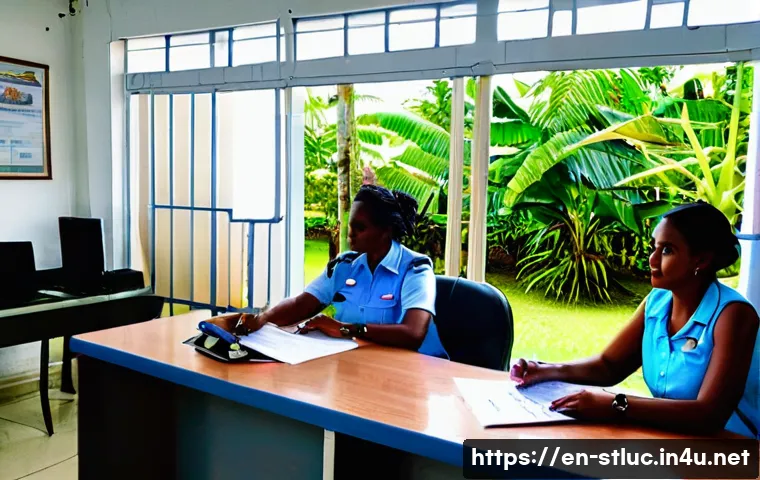
Known for its warm climate, friendly locals, and favorable residency options, it has become increasingly popular among expats and investors alike. Whether you’re seeking a peaceful retirement spot or an exciting new chapter in your life, understanding the immigration and residency process is essential.
Let’s dive into the details and uncover what makes Saint Lucia an attractive choice for your next move! I’ll guide you through everything you need to know step by step.
Understanding Residency Options in Saint Lucia
Permanent Residency: A Pathway to Long-Term Living
Saint Lucia offers a relatively straightforward permanent residency process, which is attractive to many expats looking to settle down. One of the key benefits is that permanent residency allows you to live, work, and enjoy the island without the constant hassle of visa renewals.
The application usually requires proof of income or investment in the country, a clean criminal record, and a valid passport. From my experience, the government officials handling these applications are quite approachable and helpful, which made the process smoother than I initially expected.
Plus, permanent residency can sometimes serve as a stepping stone toward citizenship after meeting residency requirements for a few years.
Temporary Residency: Flexibility for Explorers
If you’re not ready to commit long-term, temporary residency might be your best bet. This status is typically granted for one to three years and can be renewed, giving you the freedom to explore life on the island without permanent commitment.
Many digital nomads and retirees use this option to test the waters before deciding to settle permanently. The requirements are less stringent compared to permanent residency, often requiring proof of accommodation and financial stability.
I know a few friends who started with temporary residency and loved the laid-back lifestyle so much that they upgraded to permanent residency within a couple of years.
Residency by Investment: Fast-Track Your Stay
One of the most popular routes, especially among investors and high-net-worth individuals, is residency by investment. Saint Lucia has a well-structured program that allows applicants to obtain residency by making a qualifying investment in real estate, government bonds, or a business venture.
This method can fast-track your residency approval, sometimes within just a few months. I’ve seen firsthand how this option attracts people who want a hassle-free transition and are willing to invest in the island’s economy.
While the financial commitment is significant, the perks—such as visa-free travel to many countries and tax advantages—make it worthwhile for many.
Essential Documents and Application Procedures
Gathering Your Paperwork
Starting any immigration process can be overwhelming, but being organized is half the battle. Essential documents generally include a valid passport, birth certificate, police clearance certificates from your home country, proof of income or investment, and health clearances.
From my experience, it’s crucial to get these documents notarized and, where necessary, apostilled to avoid delays. Many applicants underestimate the time it takes to gather all paperwork properly, so starting early is a lifesaver.
Also, having digital and physical copies handy can speed up communications with immigration officials.
Step-by-Step Application Guide
The application process typically begins with submitting an application form along with your documents to the Saint Lucia Immigration Department or the relevant authority handling residency permits.
Fees vary depending on the type of residency you’re applying for. After submission, there’s usually a review period where officials might request additional information or interviews.
I recommend maintaining consistent follow-ups, as this keeps your application top of mind. Once approved, you’ll receive your residency permit, which you should carry at all times when on the island.
Common Pitfalls to Avoid
From my conversations with expats, one common mistake is rushing the application without fully understanding the residency category they fit into. This often leads to rejected or delayed applications.
Another issue is missing deadlines for document renewals or failing to update authorities about changes in address or employment. Staying informed about the latest immigration policies and maintaining communication with local immigration consultants or lawyers can save you a lot of headaches.
Also, beware of unofficial agents promising guaranteed residency; always work through official channels.
Financial Considerations and Cost of Living
Residency-Related Fees and Expenses
Obtaining residency in Saint Lucia comes with various fees, including application fees, processing fees, and, in the case of investment-based residency, minimum investment amounts.
For example, government bond investments require a minimum of $250,000, while real estate investments start around $300,000. These figures might seem steep but consider the long-term benefits such as tax incentives and access to Caribbean markets.
Personally, I found it helpful to budget not only for initial fees but also for legal advice and possible travel expenses related to your application.
Everyday Living Costs on the Island
Living costs in Saint Lucia can be surprisingly affordable depending on your lifestyle choices. Groceries, utilities, and local transportation are relatively inexpensive compared to many Western countries, but imported goods and dining at upscale restaurants can add up.
Housing costs vary widely; beachfront properties are pricier, but inland homes offer great value. When I first moved, I was able to find a comfortable rental under $1,200 per month, which included utilities and internet.
Budgeting realistically for your lifestyle is essential, especially if you plan on staying long-term.
Tax Benefits for Residents
One of the hidden gems of Saint Lucia residency is the favorable tax environment. The island offers no capital gains tax and no inheritance tax, making it attractive for investors and retirees planning their estates.
Additionally, residents benefit from relatively low income tax rates, and there are various incentives to encourage foreign investment. This tax-friendly framework was a big draw for me personally, especially as someone who manages investments across several countries.
Consulting with a local tax advisor can help you navigate the best strategies to optimize your financial situation.
Cultural Integration and Community Life
Embracing Local Customs and Traditions
Saint Lucia’s vibrant culture is a blend of African, French, and English influences, which makes living here uniquely enriching. From the colorful Carnival celebrations to the soulful sounds of calypso and soca music, immersing yourself in local traditions can deepen your connection to the island.
When I first arrived, attending community events and trying local dishes like green figs and saltfish helped me feel welcome and connected. Learning basic Creole phrases also goes a long way in building rapport with locals.
Building Relationships with Locals and Expats

The island’s community is known for its warmth and hospitality. Many expats quickly find that locals are eager to share their culture and offer support, which can ease the transition.
I joined local clubs and expat meetups early on, which helped me form friendships and get insider tips about living on the island. Networking events and volunteer opportunities are excellent ways to engage and build a support system.
Saint Lucia’s small size fosters a tight-knit community feel, where neighbors often become lifelong friends.
Language and Communication Tips
English is the official language, making communication straightforward for most expats. However, the local dialect, Saint Lucian Creole French (Kwéyòl), is widely spoken and understanding some of it can enhance daily interactions.
I found that locals appreciate when newcomers make an effort to learn a few phrases, which helps break the ice. When dealing with official matters, English is used exclusively, so language barriers are rarely an issue.
Still, patience and a friendly attitude go a long way when navigating cultural nuances.
Healthcare and Safety Considerations
Access to Medical Services
Saint Lucia offers both public and private healthcare facilities, with private clinics providing higher standards of care for those who prefer it. While the island doesn’t have large hospitals like you’d find in major cities, it does have well-equipped facilities for most common medical needs.
I personally opted for private health insurance, which gave me peace of mind and quicker access to specialists when necessary. For serious conditions, patients are sometimes referred to nearby countries such as Barbados or Martinique.
Health Insurance Options for Expats
Having comprehensive health insurance is essential when relocating. Many expats choose international plans that cover both routine care and emergencies abroad.
Saint Lucia also offers local insurance options, but they may not cover all treatments or international travel. From my experience, investing in a good global health plan paid off, especially since it covers medical evacuation if needed.
It’s wise to review your coverage options carefully and consider your personal health needs before committing.
Safety and Security Tips
Saint Lucia is generally safe for residents and visitors, but like any destination, it has areas where caution is advised. Petty crime, such as pickpocketing, can occur, especially in crowded tourist spots.
I recommend securing your valuables and staying aware of your surroundings, particularly at night. Getting involved in the local community also enhances safety, as neighbors often look out for one another.
The island’s friendly vibe and relatively low crime rates made me feel secure quickly, but it’s always best to exercise common sense.
Travel and Connectivity from Saint Lucia
International Travel Accessibility
Saint Lucia’s Hewanorra International Airport connects the island to major hubs in North America, Europe, and the Caribbean. Direct flights from cities like Miami, New York, and London make travel convenient for both business and leisure.
When I needed to fly back home or visit nearby islands, I found the flight options flexible and reasonably priced, especially if booked in advance. The island’s strategic location also makes it a great base for exploring the wider Caribbean region.
Internet and Communication Infrastructure
Reliable internet and communication services are crucial for modern living, especially for remote workers. Saint Lucia has made significant improvements in broadband and mobile coverage over the years.
I personally use a combination of home Wi-Fi and mobile data plans, which have been stable enough for video calls and streaming. While speeds might not match those in big cities, they are adequate for most professional and personal needs.
Local providers also offer various packages, so shopping around can help you find the best deal.
Getting Around: Transportation Options
Saint Lucia’s small size means you can get around fairly easily by car, taxi, or public minibuses. Renting a car is popular among expats, giving freedom to explore hidden beaches and mountain trails.
I rented a car for the first six months, which was a great way to discover the island’s diverse scenery at my own pace. Public transport is affordable but can be less predictable.
For longer stays, many residents prefer owning a vehicle, which also makes grocery shopping and commuting more convenient.
| Residency Type | Minimum Investment or Requirement | Processing Time | Benefits | Typical Fees |
|---|---|---|---|---|
| Permanent Residency | Proof of income or investment | 3-6 months | Long-term stay, work rights | $500-$1,000 application fee |
| Temporary Residency | Proof of accommodation and income | 1-3 months | Renewable short-term stay | $300-$700 application fee |
| Residency by Investment | $250,000+ in bonds or $300,000+ in real estate | 2-4 months | Fast-track residency, visa-free travel | Varies by investment, plus $1,000+ fees |
Conclusion
Saint Lucia offers diverse residency options tailored to different needs, whether you’re seeking a long-term home, a temporary stay, or a fast-track investment route. From my experience, the island’s welcoming environment and straightforward processes make it an appealing choice for expats. With proper preparation and understanding of the requirements, settling in Saint Lucia can be a rewarding adventure. I encourage anyone considering a move here to explore these pathways thoroughly and embrace the island’s vibrant culture.
Useful Information to Keep in Mind
1. Start gathering your essential documents early to avoid delays during the residency application process.
2. Choose the residency type that best fits your lifestyle and long-term goals to prevent unnecessary complications.
3. Budget realistically for both application fees and everyday living expenses to ensure a smooth transition.
4. Engage with local communities and expat groups to build meaningful connections and ease cultural integration.
5. Prioritize health insurance that offers comprehensive coverage, including medical evacuation, for peace of mind.
Key Takeaways
Understanding the different residency options in Saint Lucia is crucial for a successful application. Permanent residency offers stability, while temporary residency provides flexibility for newcomers. Residency by investment is ideal for those looking to fast-track their status but requires significant financial commitment. Being organized with your paperwork and staying informed about the process can prevent common pitfalls. Lastly, embracing the island’s culture and planning your finances carefully will enhance your overall experience living in Saint Lucia.
Frequently Asked Questions (FAQ) 📖
Q: What are the main residency options available for foreigners looking to live in Saint Lucia?
A: Saint Lucia offers several residency pathways tailored to different needs. The most popular is the Citizenship by Investment Program, which allows you to obtain citizenship relatively quickly by investing in real estate, government bonds, or a local business.
For those not seeking citizenship right away, there’s also a Work Permit option if you have a job offer, and a Long-Term Residency Permit for retirees or individuals with sufficient financial means.
From my experience, the Citizenship by Investment route is often the fastest and most straightforward for people wanting full rights and easy travel access, but it’s important to evaluate what fits your lifestyle best.
Q: How long does the residency or citizenship process usually take in Saint Lucia?
A: The timeline depends on which program you choose. For Citizenship by Investment, the process typically takes about 3 to 4 months from application to approval, which is impressively fast compared to other countries.
Work permits or long-term residency applications can vary more, sometimes taking several months depending on paperwork and government processing times.
I’ve seen some cases where thorough preparation of documents and local legal assistance helped speed things up considerably, so having a knowledgeable guide can make a big difference.
Q: What are the living conditions like for expats in Saint Lucia?
A: Living in Saint Lucia feels like a continuous vacation, honestly. The island boasts stunning beaches, lush landscapes, and a warm, tropical climate year-round.
The local community is welcoming and vibrant, with a rich cultural scene that includes music, festivals, and delicious Creole cuisine. Healthcare and education are improving, though some expats prefer private facilities for certain services.
Cost of living can be moderate, but imported goods tend to be pricier, so budgeting is key. From what I’ve gathered talking to expats on the island, many appreciate the relaxed lifestyle and the strong sense of community, which makes settling in much easier than expected.