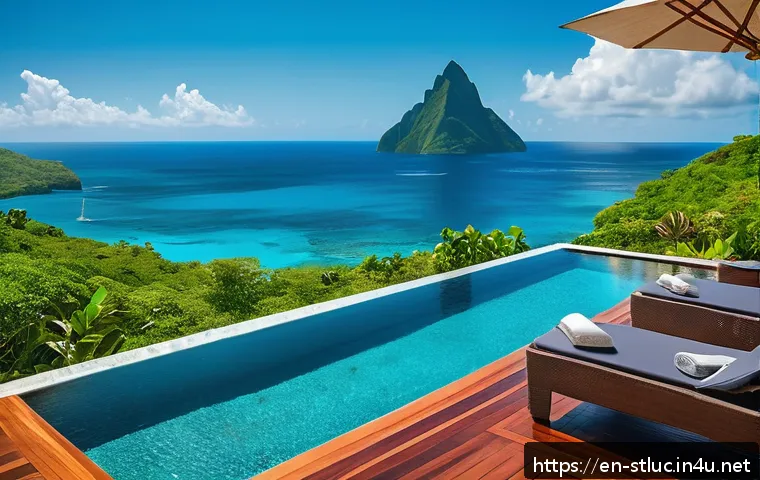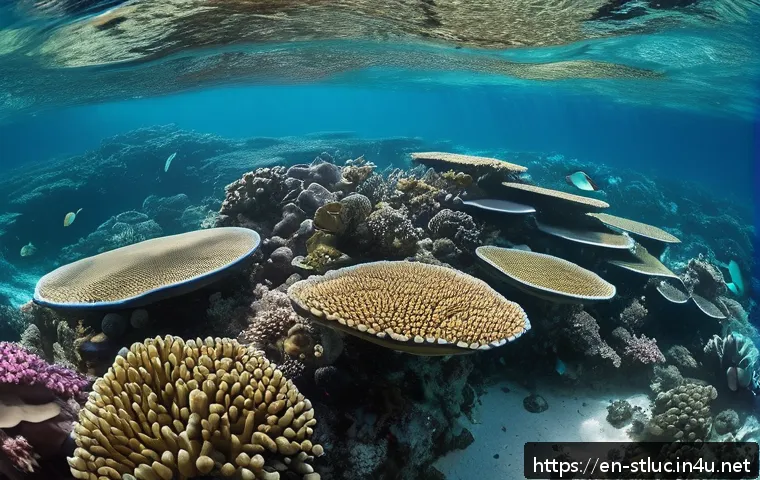
Lately, travelers are craving more authentic and tranquil experiences, steering clear of the usual tourist-packed spots. If you’re dreaming of vibrant coral reefs and crystal-clear waters without the crowds, Saint Lucia has some secret snorkeling gems waiting to be explored.
Beyond the well-trodden beaches, these hidden paradises offer a peaceful escape where marine life thrives in untouched beauty. Whether you’re an avid snorkeler or just curious, diving into these lesser-known spots promises unforgettable underwater adventures.
Stick around as we uncover Saint Lucia’s best-kept snorkeling secrets that few have discovered yet.
Exploring Saint Lucia’s Hidden Coral Gardens
Unveiling the Quiet Reefs Away from the Crowds
If you’ve ever felt overwhelmed by the bustling tourist spots filled with snorkelers elbow-to-elbow, Saint Lucia’s secret coral gardens provide a breath of fresh air.
These reefs are tucked away in less accessible coves and bays, ensuring that you’ll often have the underwater world all to yourself. I remember visiting one such spot where the water was so clear that I could see vibrant fish darting among the corals just a few feet below me, without a single other snorkeler in sight.
The tranquility allowed me to slow down, appreciate the delicate coral structures, and even spot shy marine creatures that usually retreat in crowded areas.
Why These Reefs Are Ecologically Special
These hidden reefs are often less disturbed, which means the coral health here tends to be better compared to more popular snorkeling locations. The absence of heavy foot traffic and boat anchors has allowed the corals to flourish, creating a diverse habitat for numerous species of fish, sea turtles, and even rare invertebrates.
From my experience, snorkeling in these spots felt like stepping into a vibrant underwater sanctuary, where every glance uncovered new colors and textures.
The preserved nature of these reefs also means you can witness natural coral spawning events or schools of fish forming mesmerizing patterns, moments that are rare in busier areas.
Tips for Accessing These Hidden Gems
Reaching these secret spots often requires a bit of local knowledge or a guided tour with a seasoned snorkeler who knows the area well. Many of these reefs lie just beyond the usual beach access points, sometimes requiring a short boat ride or a gentle swim from a secluded shore.
I found that chatting with local fishermen or small boat operators can lead you to some of the best-kept secrets. Remember to bring eco-friendly sunscreen and avoid touching the coral to keep the ecosystem thriving for future visitors.
Planning your visit during weekdays or early mornings can also help you avoid any unexpected company underwater.
Serene Bays with Crystal Waters Perfect for Snorkeling
Discovering Calm Waters for Beginners and Pros
Some of the most enchanting snorkeling experiences happen in Saint Lucia’s sheltered bays, where the water stays calm and visibility remains excellent.
These bays are ideal if you’re just starting out or prefer a relaxed float rather than battling waves. I recall a quiet morning in one such bay where the water was so still it mirrored the sky, and beneath the surface, colorful fish swam lazily around rocks and patches of sea grass.
The gentle currents make it easier to explore without much effort, allowing you to focus on the rich marine life rather than staying afloat.
Marine Diversity in Secluded Inlets
These quiet bays don’t just offer calm waters; they also harbor an impressive variety of marine species. From tiny, brilliantly colored reef fish to larger residents like stingrays and nurse sharks, the diversity here is a snorkeler’s dream.
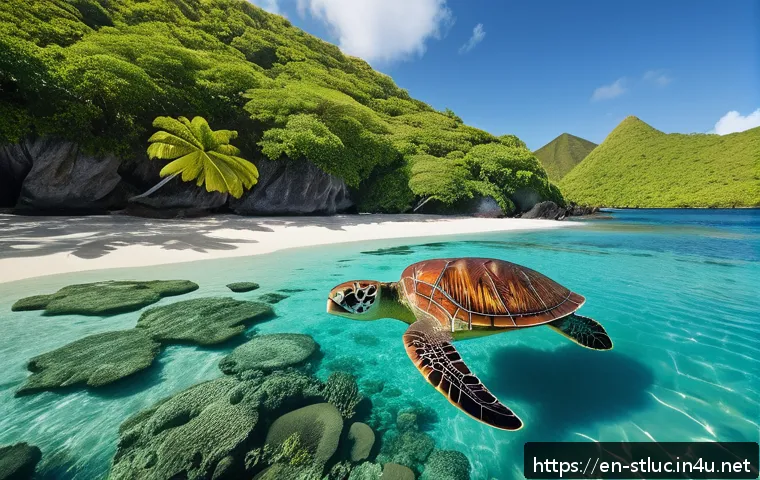
I was lucky enough to spot a green sea turtle grazing near the bay’s edge during one visit, a sight that felt like a rare privilege. Because these areas are often overlooked, the fish tend to be less wary of humans, giving you closer, more intimate encounters.
Seasonal Variations and Best Times to Visit
While the beauty of these bays is undeniable year-round, seasonal changes can influence the snorkeling experience. For example, during the drier months, water clarity improves dramatically, making it easier to spot marine life and appreciate the vibrant coral colors.
On the flip side, the wetter season can bring nutrient-rich waters that attract different species, offering a chance to see unique aquatic behaviors. Personally, I prefer visiting in the early spring when the water is warm, clear, and the tourist season hasn’t yet kicked into high gear, striking the perfect balance between comfort and solitude.
Hidden Underwater Caves and Caverns to Explore
The Thrill of Snorkeling Through Submerged Passageways
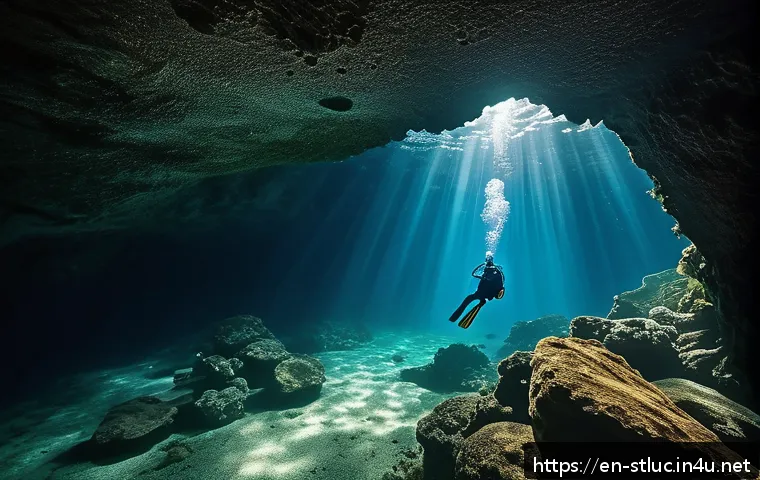
Saint Lucia hides some fascinating underwater caves and caverns that add an adventurous twist to snorkeling. These natural formations create tunnels and chambers where light filters through in magical ways, casting ethereal patterns on the walls and floor.
I remember feeling a mixture of excitement and calm as I carefully navigated one of these caverns, marveling at the way tiny fish sought shelter in the nooks and crannies.
Exploring these caves requires a bit more confidence in the water and a keen eye for safety, but the payoff is a unique underwater experience unlike any typical reef.
Safety Tips and What to Expect Inside the Caves
Before you plunge into these underwater caves, it’s essential to understand the environment. The water can be cooler and visibility might change suddenly due to sediment or currents.
From my own experience, going with a guide familiar with the caves is invaluable—they can point out safe routes and interesting features while keeping an eye out for any hazards.
Also, remember to bring a waterproof flashlight or use your snorkeling mask with a built-in light if you have one, as some cave sections are dimly lit.
These caves are home to fascinating marine life, including small crustaceans and unique fish species that thrive in the shadows.
How These Caves Enhance the Snorkeling Adventure
The contrast between open reefs and enclosed caves adds variety to your snorkeling trip, making it feel like a mini expedition. Swimming through these underwater passageways creates a sense of discovery, as if you’re unveiling a secret world that few get to see.
I noticed that the silence inside the caves, broken only by the sound of my breathing and gentle water movements, heightened my senses and made me appreciate the underwater environment in a new way.
For those craving more than just colorful fish and coral, these caves offer a mysterious and unforgettable dimension to Saint Lucia’s snorkeling treasures.
Secluded Shorelines Ideal for Peaceful Snorkeling Sessions
Escaping the Noise at Lesser-Known Beaches
Not all snorkeling adventures require a boat; some of the best underwater spots in Saint Lucia are accessible right from quiet, hidden shorelines. These beaches often lack the infrastructure and crowds of the main tourist hubs, which means you can slip into the water peacefully and explore at your own pace.
I found that arriving early in the morning or late afternoon helped me enjoy these shores in near solitude. The calm atmosphere makes it easier to spot shy creatures like octopuses or colorful nudibranchs that usually hide during peak hours.
Local Insights for Finding These Quiet Beaches
Finding these secluded snorkeling spots often means veering off the beaten path and asking locals for their favorite hidden coves. I’ve learned that small guesthouses and family-run inns are excellent sources of insider tips.
Once I was directed to a tucked-away beach on the west coast where the coral formations were unexpectedly lush and the water clear enough to see every detail below.
These local favorites tend to have minimal tourist services, so packing your own gear and refreshments is a good idea. The reward, however, is a serene snorkeling experience that feels like a personal underwater retreat.
Ideal Conditions for Snorkeling from Shore
These shore-based snorkeling locations work best when the seas are calm, usually during the dry season or early mornings. I’ve noticed that wind direction plays a big role—when the wind blows offshore, the water is smoother and visibility improves significantly.
It’s also wise to check tide charts because low tide can expose more coral and marine life near the shoreline but may make swimming a bit trickier. In my experience, timing your visit with these natural rhythms ensures you get the most out of your quiet snorkeling session.
Marine Sanctuaries Preserving Saint Lucia’s Underwater Life
The Role of Protected Areas in Snorkeling Quality
Saint Lucia has established several marine protected areas that serve as safe havens for its underwater ecosystems. These sanctuaries are carefully managed to prevent overfishing and damage from tourism, which directly benefits snorkelers by preserving vibrant and healthy reefs.
During one visit to a designated marine park, I was amazed at the density and variety of fish compared to unprotected areas. The coral was alive with color, and the presence of conservation efforts was evident in the thriving biodiversity.
How to Experience Sanctuaries Responsibly
Respecting the rules within marine sanctuaries is crucial to keep these underwater habitats flourishing. From my experience, guides and rangers are very approachable and happy to educate visitors about proper snorkeling etiquette, such as avoiding touching coral or chasing fish.
Many sanctuaries require entrance fees or guided tours, which contribute to ongoing conservation efforts—something I gladly supported knowing it helps protect these natural treasures.
Snorkeling in these areas feels rewarding, knowing you’re witnessing an environment safeguarded for generations to come.
Top Sanctuary Spots for Dedicated Snorkelers
Certain marine parks in Saint Lucia stand out for their snorkeling opportunities, featuring a mix of coral gardens, seagrass beds, and sandy bottoms that attract a wide range of species.
I personally enjoyed a site where sea turtles frequently grazed and parrotfish created a colorful display as they nibbled on coral. These sanctuaries often have marked trails underwater, making it easier to navigate and spot key points of interest.
For anyone serious about snorkeling, these protected zones provide a rich, immersive experience that combines adventure with environmental stewardship.
| Location | Access Method | Best Time to Visit | Marine Highlights | Notes |
|---|---|---|---|---|
| Hidden Coral Gardens | Boat or swim from secluded shore | Dry season, early morning | Healthy corals, colorful reef fish, rare invertebrates | Less crowded, requires local guide |
| Secluded Bays | Shore entry | Spring to early summer | Calm waters, sea turtles, stingrays | Good for beginners and gentle swimmers |
| Underwater Caves | Guided boat tours | Year-round, avoid rough seas | Unique cave-dwelling species, dramatic light effects | Requires caution and experience |
| Quiet Shorelines | Walk-in from hidden beaches | Early morning, low wind | Octopuses, nudibranchs, shallow coral patches | Minimal facilities, bring own gear |
| Marine Sanctuaries | Guided tours, park entry | Year-round, best during dry season | Protected reefs, sea turtles, parrotfish | Support conservation efforts |
Local Snorkeling Culture and Sustainable Practices
How Saint Lucians Engage with Their Marine Environment
Saint Lucians have a deep connection with the sea, not just as a source of livelihood but as part of their cultural identity. Many local fishermen and tour operators take pride in protecting the reefs that sustain their communities.
I was struck by how respectful guides are when leading snorkeling trips, often sharing stories about the marine life and the importance of conservation.
This community-driven approach makes snorkeling here feel more meaningful, as you’re not just a visitor but a participant in preserving a precious ecosystem.
Practicing Responsible Snorkeling for Future Generations
From my own adventures, I’ve learned that responsible snorkeling means more than just avoiding damage—it’s about actively supporting sustainable tourism.
This includes using reef-safe sunscreens, not disturbing marine life, and choosing operators who prioritize environmental care. Saint Lucia has been proactive in educating tourists about these practices, and many snorkeling tours now emphasize low-impact experiences.
Taking these steps ensures that the stunning underwater worlds we enjoy today remain vibrant and accessible for years to come.
Community Initiatives That Enhance Snorkeling Experiences
Several grassroots organizations in Saint Lucia focus on reef restoration and environmental education, often involving tourists in their efforts. I participated in a coral planting workshop once, which not only deepened my appreciation for the reefs but also gave me a chance to contribute directly.
These initiatives enrich the snorkeling experience by connecting visitors with conservation work and fostering a sense of stewardship. Supporting these projects through tours or donations is a great way to give back and make your trip more impactful.
Gear and Preparation Tips for Exploring Saint Lucia’s Hidden Snorkeling Spots
Choosing the Right Equipment for Varied Conditions
When venturing into lesser-known snorkeling areas, having reliable gear is essential. I always recommend a mask with a wide field of vision and a snorkel with a purge valve to easily clear water.
Fins should be comfortable but sturdy enough to handle varying currents and rocky entries. For cave explorations or longer swims, a wetsuit or rash guard protects against cooler water and sunburn.
Over the years, I’ve found that investing in high-quality gear not only improves comfort but also boosts confidence underwater, allowing you to focus on the amazing sights rather than equipment hassles.
Preparing Physically and Mentally for Remote Snorkeling
Some of Saint Lucia’s hidden snorkeling spots require a bit of physical effort—whether it’s swimming a longer distance, navigating rocky shorelines, or managing currents.
Building your stamina through regular swimming or snorkeling practice can make these adventures more enjoyable and safe. Mentally, it helps to stay calm and patient, especially when conditions change or you encounter unexpected marine life.
Personally, approaching these excursions with curiosity and respect has always enhanced my experience, turning challenges into memorable moments.
What to Pack for a Full-Day Snorkeling Excursion
A day exploring secluded snorkeling spots means preparing well to stay comfortable and safe. Besides your gear, pack plenty of fresh water, snacks, and a waterproof bag for valuables.
Bringing a hat and lightweight cover-up for breaks on the beach is a must, as is reef-safe sunscreen. I also carry a small first aid kit and a whistle for emergencies, especially when venturing to less populated areas.
Having a waterproof camera or action cam can capture incredible underwater moments, but remember to focus on the experience itself and not just the photos.
Unexpected Marine Encounters That Make Snorkeling Special
Spotting Rare and Elusive Creatures
One of the greatest thrills of snorkeling in Saint Lucia’s hidden spots is the chance to encounter marine life you won’t see in crowded reefs. From elusive seahorses clinging to coral branches to gliding eagle rays passing gracefully overhead, these moments feel like gifts from the ocean.
I recall a magical encounter with a juvenile barracuda that lingered nearby, curious but cautious. These rare sightings make the effort to seek out quieter snorkeling areas totally worthwhile, adding a sense of wonder and discovery to every dip.
Interactions with Friendly Marine Residents
In less frequented areas, marine animals often display more natural behaviors and sometimes even curiosity towards snorkelers. During a recent trip, I had a playful interaction with a school of sergeant majors that swam alongside me as if escorting a guest.
These gentle exchanges create a personal connection to the underwater world and remind you why protecting these habitats matters. It’s moments like these that stay with me long after the snorkel gear is packed away.
Capturing the Magic with Underwater Photography
For those who love documenting their adventures, Saint Lucia’s hidden snorkeling spots offer stunning photo opportunities. The interplay of sunlight filtering through clear water onto vibrant coral, schools of shimmering fish, and dramatic cave formations provide endless inspiration.
I recommend practicing patience and respecting the marine environment—sometimes the best shots come from waiting quietly for the right moment. Whether you’re a seasoned underwater photographer or a casual snapper, capturing these scenes helps share the magic of Saint Lucia’s underwater world with others.
Closing Thoughts
Saint Lucia’s hidden snorkeling spots offer a unique blend of tranquility, vibrant marine life, and unforgettable adventures. Exploring these lesser-known locations allows you to connect deeply with nature while supporting local conservation efforts. Whether you’re gliding through coral gardens or discovering underwater caves, each experience promises wonder and serenity away from the crowds.
Useful Information to Keep in Mind
1. Always seek local guidance or join a knowledgeable tour to safely access remote snorkeling sites.
2. Use reef-safe sunscreen and avoid touching marine life to help preserve fragile ecosystems.
3. Early mornings and weekdays tend to offer the best conditions with fewer visitors and calmer waters.
4. Pack essentials like fresh water, snacks, and safety gear when visiting secluded beaches without facilities.
5. Supporting marine sanctuaries through entrance fees or donations directly benefits reef conservation.
Key Takeaways for a Great Snorkeling Experience
Respecting the underwater environment is essential to maintain the health and beauty of Saint Lucia’s reefs. Preparation is key—choosing the right gear and being physically ready enhances safety and enjoyment. Engaging with local communities and sustainable practices enriches your visit, making it both responsible and memorable. Finally, patience and awareness underwater often lead to the most magical encounters with marine life.
Frequently Asked Questions (FAQ) 📖
Q: What are the best hidden snorkeling spots in Saint Lucia that avoid the tourist crowds?
A: Saint Lucia offers several lesser-known snorkeling spots perfect for those seeking tranquility. Places like Anse Chastanet, with its vibrant coral gardens, and the area around Pigeon Island National Park, known for clear waters and diverse marine life, are fantastic options.
These spots tend to be quieter than popular beaches, letting you enjoy an intimate encounter with Saint Lucia’s underwater world.
Q: When is the best time to snorkel at these secret locations in Saint Lucia?
A: The ideal time to snorkel in Saint Lucia’s hidden gems is during the dry season, typically from December to May. During these months, the water is calm and visibility is excellent, making your underwater adventure more enjoyable.
Early mornings are especially peaceful, allowing you to explore without many fellow snorkelers around.
Q: Are these hidden snorkeling sites suitable for beginners or only experienced snorkelers?
A: Most of the secret snorkeling spots in Saint Lucia are beginner-friendly thanks to their calm, shallow waters and easy access. Even if you’re new to snorkeling, you’ll find these areas welcoming and safe.
However, it’s always a good idea to check local conditions and consider guided tours to enhance safety and get insider tips on where to find the best marine life.