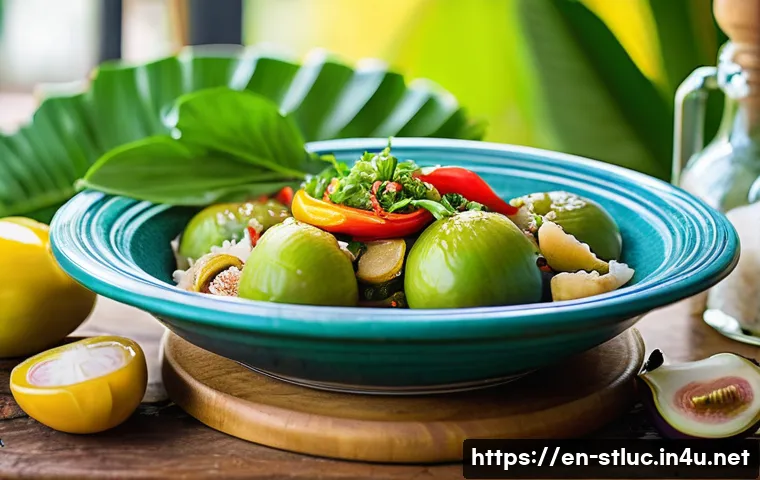
Saint Lucia’s traditional cuisine is a vibrant tapestry woven from African, French, and Caribbean influences, offering a delightful array of flavors that tell a story of the island’s rich cultural heritage.
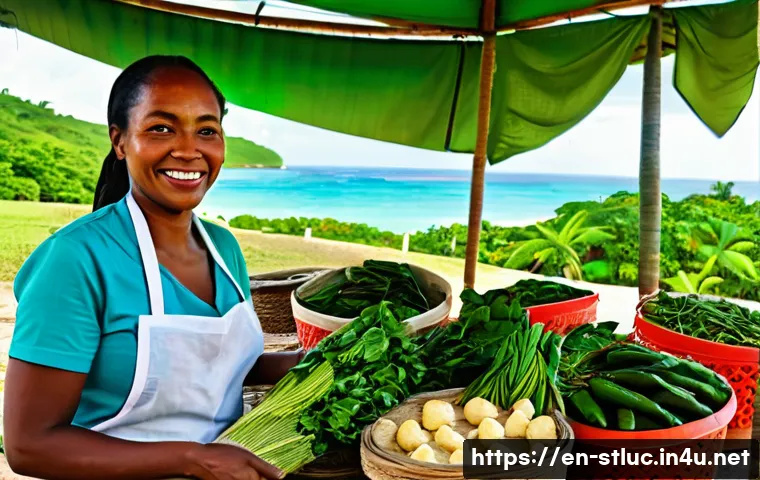
From the hearty stews brimming with fresh seafood to the aromatic spices that enliven every bite, the food here is as colorful as its landscape. Exploring these dishes is like taking a flavorful journey through Saint Lucia’s history and soul.
Whether you’re a foodie eager to try something new or simply curious about island life, these recipes are sure to captivate your taste buds. Let’s dive deeper and uncover the authentic tastes that make Saint Lucian cuisine truly unforgettable!
Exploring the Heart of Saint Lucian Flavors
The Influence of African Roots on Local Dishes
The African heritage deeply shapes Saint Lucian cuisine, especially in the use of bold spices and slow-cooked methods that bring out rich, soulful flavors.
Traditional stews and soups often include ingredients like okra, yams, and plantains—staples brought over centuries ago. I’ve noticed that these dishes aren’t just about taste but also about the comfort they provide, reminiscent of communal gatherings where food is shared with warmth and laughter.
The hearty nature of these meals perfectly complements the island’s tropical climate, offering nourishment and satisfaction in every bite.
French Culinary Touches in Island Cooking
French influence adds a layer of finesse and aromatic complexity to Saint Lucian food, evident in the use of fresh herbs like thyme and parsley, and techniques such as marinating and slow roasting.
Dishes like Green Fig and Saltfish, which pair green bananas with salted cod, show this blend beautifully. When I first tried this dish, the delicate balance between the saltiness of the fish and the subtle sweetness of the bananas blew me away.
It’s a classic example of how French culinary tradition and local ingredients come together to create something unique and delicious.
Caribbean Vibrancy in Everyday Meals
Caribbean flair shines through in Saint Lucia’s love for bold, spicy, and colorful food. The frequent use of Scotch bonnet peppers, fresh coconut milk, and tropical fruits turns every meal into a celebration of flavors.
I remember a local market visit where the aroma of curried goat and jerk chicken filled the air, instantly drawing me in. This vibrancy is not just about heat but the layering of flavors that make each bite an exciting experience.
The island’s food culture encourages experimenting with spices and fresh produce, which keeps the palate constantly intrigued.
Signature Dishes That Capture Saint Lucia’s Essence
Green Fig and Saltfish: A National Treasure
Green Fig and Saltfish is often hailed as Saint Lucia’s national dish, and for good reason. The green fig, or unripe banana, is boiled until tender and paired with saltfish sautéed with onions, tomatoes, and peppers.
I’ve found that the key to nailing this dish lies in balancing the saltiness of the fish with the mild starchiness of the bananas. It’s a dish that reflects the island’s resourcefulness and its cultural melting pot.
Every time I prepare it, I feel connected to the island’s history and people.
Callaloo Soup: A Nutritious and Flavorful Favorite
Callaloo, a leafy green similar to spinach, is the star ingredient in this beloved soup. Mixed with coconut milk, dumplings, and sometimes salted meat or crab, this soup is both hearty and nutritious.
When I tasted callaloo soup during a visit, the creamy texture combined with the earthiness of the greens was surprisingly comforting. It’s a dish that locals often enjoy as a starter or even a light meal, showcasing the island’s reliance on fresh, natural ingredients.
Stewed Chicken with Caribbean Spices
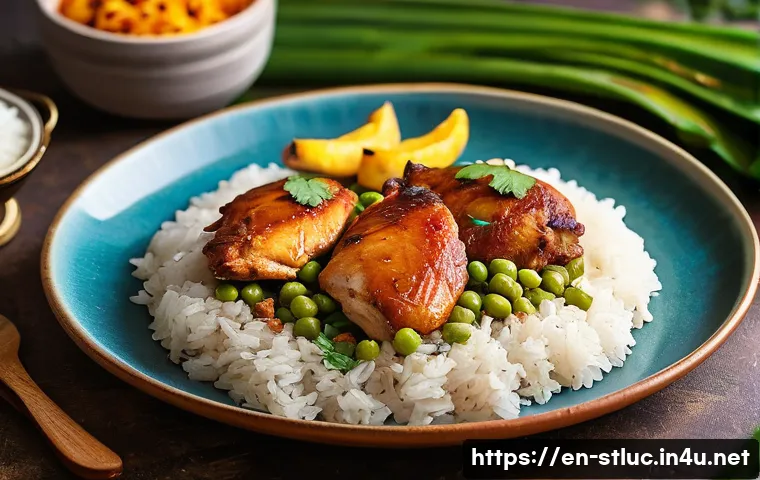
Stewed chicken in Saint Lucia is a fragrant, richly spiced dish simmered slowly to perfection. The marinade usually includes garlic, thyme, scallions, and a hint of nutmeg, giving the chicken a distinctive taste that lingers pleasantly.
From my experience cooking it at home, the slow-cooking process is essential for tender meat and deep flavor penetration. It’s a great example of how simple ingredients can be transformed into something truly special with patience and care.
Essential Ingredients That Define the Cuisine
Spices and Herbs: The Soul of the Dishes
Scotch bonnet peppers, thyme, and allspice are foundational to Saint Lucian cooking, infusing dishes with heat, aroma, and depth. I’ve learned that mastering the use of these spices can completely elevate a meal.
For instance, Scotch bonnet peppers aren’t just about spiciness—they add a fruity undertone that balances savory flavors beautifully. Thyme, often freshly picked, lends a subtle earthiness that ties the ingredients together, making every bite memorable.
Local Produce: From Land to Table
Fruits and vegetables like breadfruit, cassava, and dasheen root are staples that provide texture and substance. Their versatility is impressive; breadfruit can be roasted, fried, or boiled, each method offering a different experience.
I recall a local cook explaining how cassava, despite being humble, is a vital energy source and can be turned into bread, dumplings, or even desserts.
These ingredients showcase the island’s agricultural richness and the creativity of its people.
Fresh Seafood: From Ocean to Plate
Surrounded by the Caribbean Sea, Saint Lucia boasts an abundance of fresh fish, lobster, and conch. Eating seafood here is an immersive experience—I remember savoring grilled snapper at a beachside shack, its smoky flavor perfectly complemented by a squeeze of lime and a side of seasoned vegetables.
The freshness is unmistakable and is a key reason why seafood dishes remain central to the island’s culinary identity.
The Art of Cooking: Techniques Passed Down Through Generations
Slow Cooking and Stewing for Maximum Flavor
Many Saint Lucian dishes rely on slow cooking, a technique that allows spices and ingredients to meld beautifully. From stewed meats to rich soups, the process enhances tenderness and depth.
I’ve tried replicating these methods myself, and the results always remind me of family meals shared around the table—full of warmth and tradition. This approach reflects a respect for time and quality in food preparation.
Grilling and Roasting: Bringing Out Natural Tastes
Grilling fish or meats over open flames is common, especially in coastal areas. This method imparts a smoky char that contrasts wonderfully with the island’s fresh, vibrant seasonings.
Once, I had the chance to join a local barbecue, and the communal atmosphere combined with the smoky aroma made the experience unforgettable. Roasting breadfruit or plantains also brings out their natural sweetness, a simple yet effective way to highlight local produce.
Marinating: Unlocking Layers of Flavor
Marinating meats and fish is essential in Saint Lucian cooking, often using citrus juices, herbs, and spices to tenderize and flavor. I’ve noticed that the longer the marinade, the more pronounced the taste, which shows the patience and care locals put into their food.
This technique not only enhances flavor but also reflects a deep understanding of ingredient synergy, resulting in dishes that are both complex and balanced.
Popular Side Dishes That Complement Every Meal
Fried Plantains: Sweet and Crispy Delight
Fried plantains are a ubiquitous side, providing a sweet counterpoint to savory mains. Their caramelized edges and soft interiors make them irresistibly delicious.
I often prepare them as a quick snack or side, and they never fail to draw compliments. Plantains are incredibly versatile, and their natural sweetness pairs well with spicy or salty dishes, adding a satisfying texture contrast.
Bakes and Dumplings: Island Comfort Food
Bakes are fluffy fried or baked bread, perfect for soaking up sauces or eaten on their own. Dumplings, usually boiled or fried, add a hearty touch. These sides are common at breakfast or alongside stews.
I remember sharing a meal with locals who insisted that no stew is complete without a side of bake or dumplings, emphasizing how these simple accompaniments are integral to the dining experience.
Rice and Peas: A Classic Caribbean Staple
Rice and peas, typically cooked with coconut milk and pigeon peas or kidney beans, is a staple that complements almost every dish. The creamy texture of the rice combined with the earthiness of the peas creates a comforting base.
I’ve found that cooking it slowly and allowing the flavors to meld is key to achieving that authentic taste. It’s the kind of side dish that feels like a warm hug on a plate.
Nutritional and Cultural Significance of Saint Lucian Food
Balancing Nutrition with Flavor
Saint Lucian cuisine manages to be both flavorful and nutritious, often incorporating fresh vegetables, lean proteins, and healthy fats like coconut milk.
During my travels, I noticed that meals are designed to provide energy and nourishment, reflecting the active lifestyle of the islanders. The use of natural, unprocessed ingredients means that traditional dishes offer a wholesome balance, something I personally appreciate when seeking both taste and health.
Cultural Celebrations and Food Traditions
Food plays a central role in Saint Lucian festivals and family gatherings. Events like Carnival and Christmas feature special dishes prepared with care and pride.
I experienced firsthand how these occasions bring communities together, with recipes passed down through generations. The act of sharing food here is not just about eating but about storytelling, heritage, and connection—something that truly enriches the culinary experience.
Adaptations and Modern Twists
While tradition is highly valued, many chefs and home cooks experiment with modern twists on classic dishes. I’ve tasted creative versions of fish cakes and stews that incorporate international ingredients while respecting the island’s roots.
This fusion reflects Saint Lucia’s evolving identity and openness to innovation, making its cuisine dynamic and exciting for both locals and visitors alike.
Quick Reference: Key Ingredients and Their Culinary Roles
| Ingredient | Description | Common Uses | Flavor Contribution |
|---|---|---|---|
| Scotch Bonnet Pepper | Small, fiery chili pepper native to the Caribbean | Used in marinades, sauces, stews | Spicy heat with fruity undertones |
| Green Fig (Unripe Banana) | Starchy green banana, staple carbohydrate | Boiled or mashed, often paired with saltfish | Mild, slightly sweet, and firm texture |
| Thyme | Fresh herb common in Caribbean cooking | Seasoning for meats, soups, stews | Earthy, aromatic, slightly minty |
| Coconut Milk | Extracted from grated coconut flesh | Used in soups, stews, desserts | Rich, creamy, subtly sweet |
| Saltfish (Salted Cod) | Preserved fish, key protein source | Rehydrated and cooked in various dishes | Salty, savory, firm texture |
| Callaloo | Leafy green vegetable, similar to spinach | Soups, stews, side dishes | Earthy, mild bitterness |
In Conclusion
Saint Lucian cuisine is a vibrant tapestry woven from diverse cultural influences and fresh local ingredients. Exploring its flavors reveals a deep connection to history, community, and nature. Whether you’re savoring a hearty stew or a simple side, each dish tells a story of tradition and innovation. Experiencing these tastes offers not only nourishment but also a genuine taste of island life.
Useful Tips to Keep in Mind
1. Always balance bold spices like Scotch bonnet peppers with milder ingredients to create harmony in your dishes.
2. Fresh herbs such as thyme and parsley are essential for authentic Caribbean flavor—use them generously.
3. Slow cooking is key to unlocking deep, layered flavors, especially in stews and soups.
4. Don’t overlook local staples like breadfruit and callaloo; they add unique textures and nutrition to meals.
5. When trying seafood, seek out the freshest catch possible to fully appreciate the island’s coastal bounty.
Key Takeaways for Your Culinary Journey
Understanding the blend of African, French, and Caribbean influences is crucial to appreciating Saint Lucian food. Embracing traditional cooking techniques like marinating and slow stewing enhances flavor depth. Using fresh, local ingredients not only supports authentic taste but also honors the island’s rich agricultural heritage. Lastly, sharing food is more than just eating—it’s about community, culture, and connection, making every meal a meaningful experience.
Frequently Asked Questions (FAQ) 📖
Q: What are some must-try traditional dishes in Saint Lucian cuisine?
A: If you want to truly experience Saint Lucian flavors, start with dishes like Green Fig and Saltfish, which is the national dish combining green bananas and salted codfish.
Another favorite is Callaloo soup, made from leafy greens and spices that offer a rich, earthy taste. Don’t miss the hearty fish broth, a flavorful seafood stew packed with fresh catch and aromatic herbs.
Each dish carries a story and is bursting with the island’s unique blend of African, French, and Caribbean influences.
Q: How spicy is Saint Lucian food, and what kind of spices are commonly used?
A: Saint Lucian cuisine tends to have a moderate level of heat that balances flavor rather than overwhelming your palate. Scotch bonnet peppers are a key ingredient, known for their vibrant heat and fruity undertones.
Besides peppers, you’ll find an array of spices like thyme, nutmeg, cinnamon, and fresh herbs that bring warmth and depth. From my experience, the spice level can be adjusted, but the real magic lies in how these spices complement the fresh seafood and tropical ingredients.
Q: Can I find Saint Lucian dishes easily outside the island, and how can I recreate them at home?
A: Authentic Saint Lucian dishes can be a bit challenging to find outside the Caribbean, but many Caribbean restaurants in major cities offer some versions.
To recreate them at home, focus on sourcing fresh seafood, callaloo leaves or spinach as a substitute, and key spices like allspice, thyme, and scotch bonnet peppers.
I found that experimenting with simple stews and saltfish dishes using local market ingredients can bring you surprisingly close to the island’s flavors.
Watching cooking videos or reading authentic recipes also helps capture the essence of Saint Lucian cuisine in your kitchen.