Nestled in the sparkling Caribbean Sea, Saint Lucia’s history is deeply intertwined with its time under British colonial rule. This era shaped much of the island’s cultural, political, and economic landscape, influencing everything from language to legal systems.
The British presence brought both development and conflict, leaving a legacy that still resonates today. Understanding this period helps us appreciate Saint Lucia’s unique identity and its journey toward independence.
Let’s dive into the details and uncover the fascinating story behind Saint Lucia’s British colonial past!
Shaping Society: The British Influence on Saint Lucia’s Culture
The English Language and Education
The British colonial era firmly established English as the dominant language in Saint Lucia, which remains the official language today. This linguistic legacy goes beyond mere communication; it shaped educational systems, government operations, and daily interactions.
Schools introduced English curricula, which helped unify the population under a shared tongue despite the island’s diverse cultural roots. For many locals, mastering English became a pathway to better employment opportunities and social mobility, a trend that persists in modern Saint Lucia.
Interestingly, alongside English, Saint Lucian Creole French still flourishes in informal settings, reflecting the island’s blended heritage.
Legal and Political Structures
British rule introduced a legal framework based on English common law, a system that Saint Lucia still follows. This foundation influenced everything from property rights to criminal justice, embedding a sense of order and governance recognizable in many former British colonies.
Politically, the British established administrative systems that gradually evolved into local self-governance. The colonial government laid the groundwork for parliamentary democracy, which became fully realized after independence.
This transition was not without challenges, but it allowed Saint Lucians to build a political identity grounded in democratic principles inherited from their colonial past.
Religious Influence and Social Norms
Religion played a significant role during British rule, with Anglicanism becoming prominent due to the colonial administration’s support. Churches were not just spiritual centers but also hubs for education and community gathering.
The British introduced Christian holidays, moral codes, and social customs that blended with existing African and indigenous traditions, creating a unique cultural tapestry.
These religious influences still shape social events, festivals, and communal life in Saint Lucia, demonstrating how colonial legacies continue to resonate in daily practices.
Economic Transformation Under British Rule
The Plantation Economy and Labor Systems
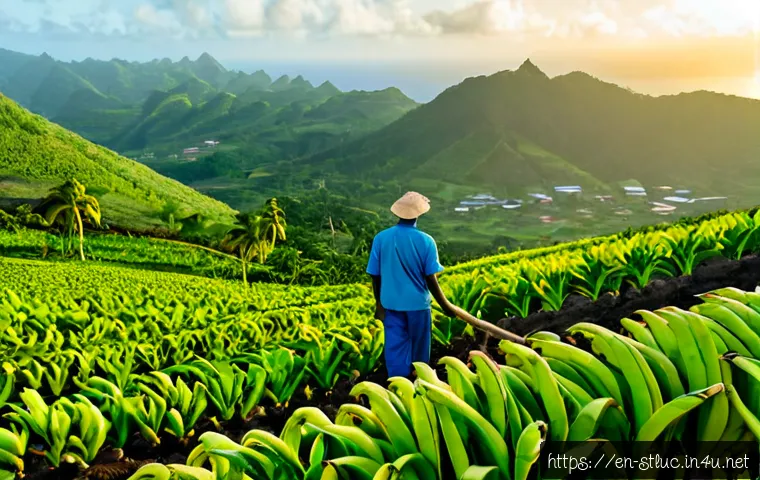
The British colonial period saw Saint Lucia’s economy heavily centered on plantation agriculture, especially sugar cane cultivation. This monoculture economy was built on enslaved African labor, which had profound social and economic consequences.
The plantation system created stark class divisions and a labor structure that persisted even after emancipation. While the plantations drove economic growth, they also entrenched inequalities and limited diversification.
Over time, Saint Lucia began to shift toward other crops and industries, but the imprint of this plantation past remains visible in land use and social stratification.
Trade and Infrastructure Development
Under British administration, Saint Lucia became part of a broader Atlantic trade network. The island exported sugar, rum, and other goods to Europe and North America, importing manufactured items in return.
This trade boosted the local economy but also made it vulnerable to global market fluctuations. To support commerce, the British invested in infrastructure such as ports, roads, and communication systems.
These developments facilitated economic activity and connected Saint Lucia to international markets, laying the foundation for modern economic growth.
However, the benefits were unevenly distributed, often favoring colonial elites and merchants.
The Legacy of Economic Policies
British economic policies during the colonial era were designed to benefit the empire, sometimes at the expense of local development. Tariffs, land ownership laws, and trade restrictions limited Saint Lucia’s economic autonomy.
Yet, these policies also introduced financial institutions and market practices that the island adapted post-independence. Understanding these economic legacies helps explain current challenges and opportunities in Saint Lucia’s development, including efforts to diversify the economy and build resilience against external shocks.
Resistance and Resilience: The Path Toward Independence
Early Acts of Defiance
Saint Lucia’s history under British rule was not simply one of acceptance; resistance took many forms. Enslaved peoples and their descendants frequently resisted through revolts, sabotage, and cultural preservation.
These acts of defiance were crucial in challenging colonial authority and asserting a sense of identity and dignity. Even after emancipation, labor strikes and political activism reflected ongoing struggles for rights and fair treatment.
These early movements laid the groundwork for the more organized nationalist efforts that would emerge later.
The Rise of Nationalism and Political Movements
The 20th century witnessed a surge in political consciousness and nationalist movements in Saint Lucia. Influenced by global decolonization trends, local leaders pushed for self-governance and social reforms.
Political parties formed, advocating for workers’ rights, education, and economic development. The British administration gradually conceded more power, culminating in constitutional changes that allowed for greater local control.
This period was marked by spirited debates, elections, and community organizing, reflecting the islanders’ determination to shape their own future.
Transition to Independence
Saint Lucia’s journey to independence was a complex process marked by negotiation, compromise, and hope. The British granted full independence in 1979, making Saint Lucia a sovereign nation within the Commonwealth.
This transition involved establishing new institutions, rewriting laws, and fostering national pride. While independence brought many challenges, including economic adjustments and political maturation, it also empowered Saint Lucians to define their identity on their terms.
The legacy of British colonialism remains evident but is now balanced with a strong sense of local agency.
Architectural and Urban Legacy of British Colonialism
Colonial-Era Buildings and Fortifications
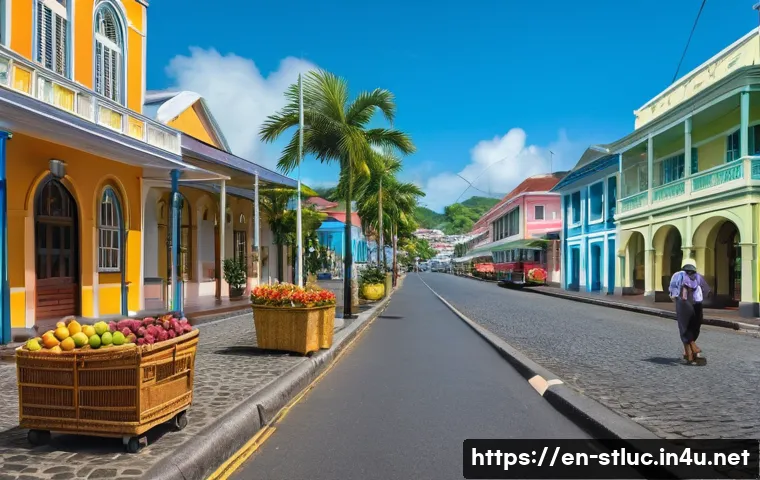
Walking through Saint Lucia today, you’ll notice the distinct British colonial architectural influences, especially in Castries and other towns. Forts, government buildings, and old plantations reflect British styles adapted to the tropical climate.
These structures not only served strategic and administrative purposes but also symbolized colonial power. Many have been preserved or repurposed, serving as museums, government offices, or cultural centers.
Visiting these sites offers a tangible connection to the island’s colonial past and insight into how architecture shaped social dynamics.
Urban Planning and Infrastructure
British colonial urban planning introduced grid patterns, public squares, and infrastructure layouts designed to support administration and trade. Castries, for example, developed with these principles, balancing functionality with aesthetics.
Roads, drainage systems, and public spaces reflected British standards but were adapted to local needs and conditions. This planning influenced the growth and development of Saint Lucia’s urban centers, creating a legacy visible in city layouts and public amenities.
Understanding these influences helps explain current urban challenges and opportunities in sustainable development.

Preservation and Modern Use
Today, many colonial-era buildings face challenges related to preservation and modernization. Balancing heritage conservation with contemporary needs requires careful planning and community involvement.
Some buildings have been converted into hotels or cultural venues, attracting tourism and generating revenue. This adaptive reuse highlights the economic potential of colonial heritage while honoring historical significance.
Personally, I’ve found that exploring these spaces provides a richer appreciation for Saint Lucia’s layered history and the resilience of its people.
Social Hierarchies and Demographic Changes
Impact of Slavery and Emancipation
The British colonial period in Saint Lucia was profoundly shaped by the institution of slavery, which created rigid social hierarchies based on race and class.
Enslaved Africans formed the labor backbone of the plantation economy, enduring harsh conditions and systemic oppression. The abolition of slavery in 1834 marked a turning point, but the legacies of inequality persisted.
Freed people faced limited economic opportunities and social discrimination, which influenced community structures and family dynamics. These historical realities continue to influence social relations and cultural identities in Saint Lucia.
Immigration and Population Diversity
Following emancipation, Saint Lucia experienced waves of immigration, including indentured laborers from India and other Caribbean islands. This influx added new cultural layers and diversified the population.
The British colonial administration encouraged this migration to address labor shortages and stimulate economic growth. These diverse groups contributed to Saint Lucia’s rich cultural mosaic, influencing cuisine, religion, and traditions.
Today, the island celebrates this diversity as a source of strength and identity.
Evolution of Social Classes
British colonial society in Saint Lucia developed distinct social classes, often tied to land ownership, occupation, and race. The planter elite held significant power and wealth, while the majority of the population worked as laborers or small-scale farmers.
Over time, education and political changes allowed for greater social mobility, but disparities remained. The post-independence era has seen efforts to address these inequalities through social programs and economic development initiatives.
Reflecting on these social dynamics helps us understand ongoing challenges and the island’s commitment to equity.
British Colonialism and Saint Lucia’s Cultural Identity
Language and Literature
The British era left a strong imprint on Saint Lucia’s cultural expressions, especially in language and literature. English became the medium for formal communication and education, while Saint Lucian Creole French preserved oral traditions and folk stories.
Writers and poets have drawn on this dual heritage to explore themes of identity, history, and resistance. This bilingual literary landscape enriches the island’s cultural fabric and offers diverse perspectives on the colonial experience.
Personally, I’ve enjoyed discovering how contemporary Saint Lucian authors weave colonial history into their narratives.
Music and Festivals
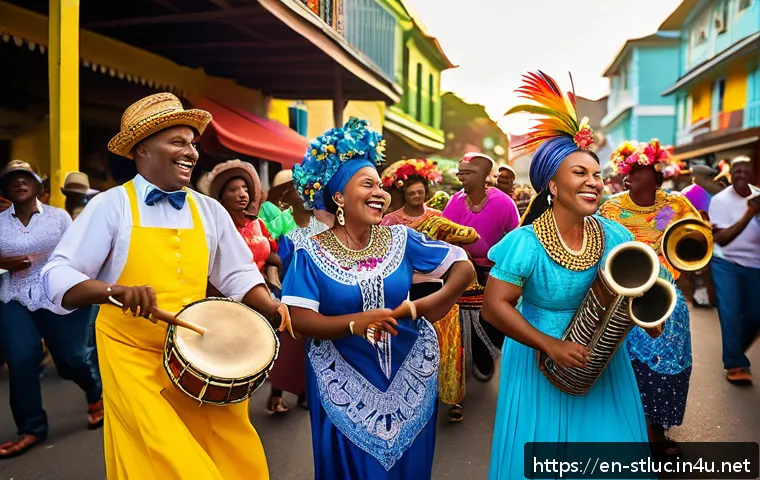
Music and festivals in Saint Lucia reflect a blend of British colonial and African influences, creating vibrant cultural expressions. Calypso, soca, and folk songs often incorporate English lyrics alongside Creole rhythms, telling stories of colonial struggles and celebrations of freedom.
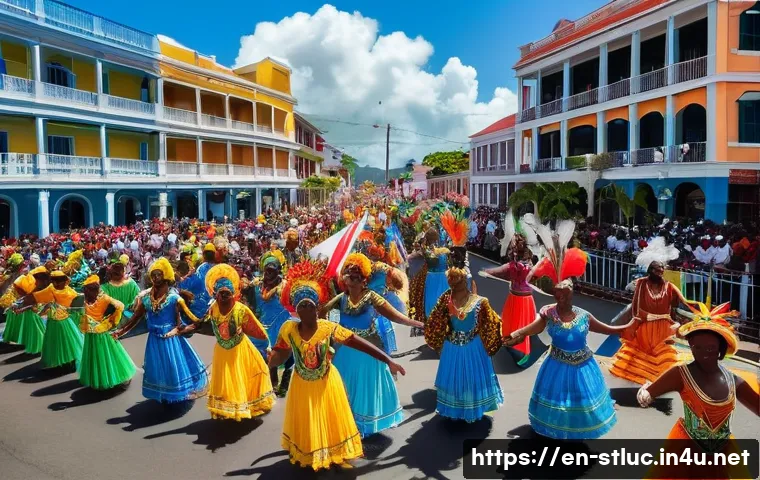
British holidays were adapted into local festivals, while new events emerged to honor the island’s unique heritage. Carnival, for instance, blends these influences in a lively display of music, dance, and costume.
Experiencing these festivals firsthand reveals the deep connection between history and cultural identity.
Culinary Traditions
Saint Lucian cuisine is another area where British colonial influence meets African, French, and indigenous flavors. Dishes like breadfruit, saltfish, and stewed meats incorporate ingredients introduced during colonial times alongside traditional preparations.
British culinary customs, such as afternoon tea, mingled with local tastes to create unique foodways. Exploring Saint Lucian food offers a delicious window into the island’s colonial past and its ongoing cultural evolution.
From my visits, sharing a meal with locals often becomes a storytelling moment about heritage and history.
Key Milestones in British Rule: A Timeline Overview
| Year | Event | Significance |
|---|---|---|
| 1650 | First British settlement attempts | Marked the beginning of British interest and intermittent control |
| 1814 | Formal cession to Britain by France (Treaty of Paris) | Established permanent British colonial rule |
| 1834 | Abolition of slavery | Ended slavery, beginning social and economic shifts |
| 1938 | Labor unrest and strikes | Highlighted growing demands for workers’ rights and political reform |
| 1967 | Associated Statehood granted | Increased self-governance and political autonomy |
| 1979 | Independence achieved | Marked Saint Lucia’s full sovereignty within the Commonwealth |
Conclusion
Saint Lucia’s British colonial past has profoundly shaped its language, legal system, culture, and economy. While the legacy includes complex social and economic challenges, it also laid the foundation for a vibrant, resilient society. Understanding this history helps us appreciate the island’s unique identity and ongoing journey toward growth and self-determination.
Useful Information to Know
1. English remains the official language of Saint Lucia, serving as a key tool for education and economic advancement.
2. The island’s legal and political systems are deeply rooted in British common law and parliamentary democracy.
3. British colonial architecture and urban planning continue to influence Saint Lucia’s cities and cultural heritage.
4. The plantation economy shaped social hierarchies and economic patterns that still impact the island today.
5. Saint Lucia’s vibrant festivals, music, and cuisine reflect a rich blend of British, African, French, and indigenous influences.
Summary of Key Points
Saint Lucia’s British colonial era established lasting structures in language, law, and governance that continue to shape its society. The economic reliance on plantations created social inequalities that required decades of resilience and reform. Cultural identity evolved through a fusion of British and local traditions, visible in language, festivals, and architecture. The island’s path to independence was driven by persistent resistance and growing nationalism, culminating in full sovereignty while retaining valuable colonial legacies. Recognizing these interconnected influences offers a clearer perspective on Saint Lucia’s past, present, and future development.
Frequently Asked Questions (FAQ) 📖
Q: How did British colonial rule influence Saint Lucia’s culture and language?
A: British colonial rule had a profound impact on Saint Lucia’s culture and language. English became the official language and is widely spoken today, alongside Saint Lucian Creole French, which reflects the island’s French and British colonial history.
British customs, legal systems, and educational structures were introduced and have shaped the island’s societal framework. This blend of influences creates a unique cultural identity that combines Caribbean vibrancy with British colonial heritage.
Q: What were some of the major conflicts during the British colonial period in Saint Lucia?
A: Saint Lucia experienced several conflicts during its British colonial period, mainly due to its strategic importance in the Caribbean. The island changed hands between the British and French multiple times, leading to battles and unrest.
Additionally, tensions arose from the plantation economy, including resistance from enslaved Africans and later movements for better rights and representation.
These conflicts played a crucial role in shaping the island’s political landscape and its eventual push toward self-governance.
Q: How did British colonialism affect Saint Lucia’s path to independence?
A: British colonialism laid both challenges and foundations for Saint Lucia’s journey to independence. While colonial rule imposed foreign governance and economic control, it also established institutions and political frameworks that Saint Lucia could adapt post-independence.
The experience of British administration, combined with growing local political awareness and activism in the mid-20th century, fueled the island’s drive for sovereignty, culminating in independence in 1979.
This history is essential to understanding the island’s national identity today.