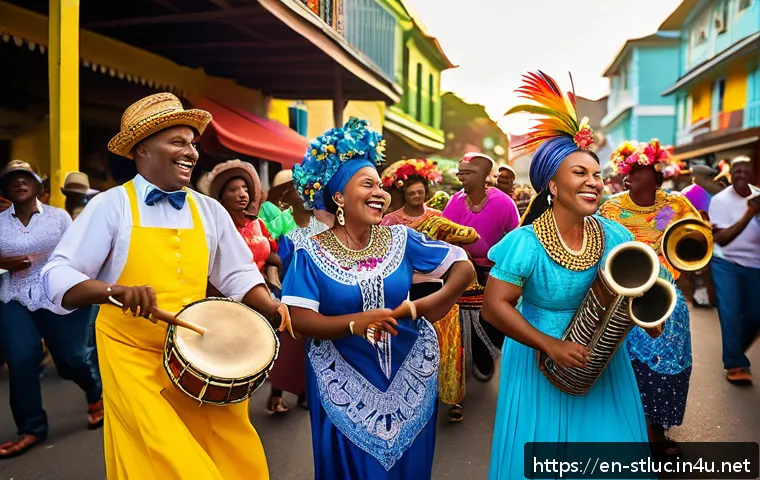
As the world embraces diverse cultural expressions more than ever, Saint Lucia’s folk music offers a captivating window into its rich heritage. With vibrant rhythms and heartfelt melodies, this island’s traditional sounds are gaining fresh appreciation on global stages.
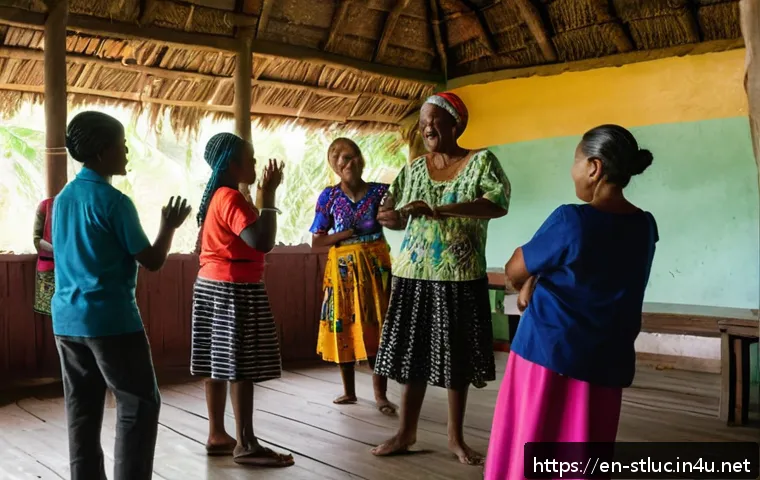
Whether you’re a music lover or curious traveler, diving into Saint Lucia’s musical roots reveals stories of resilience, joy, and community spirit. Join me as we explore the lively beats and timeless tunes that keep this Caribbean gem’s culture alive and thriving today.
This journey promises not only entertainment but a deeper connection to the island’s soul.
Roots and Rhythms: The Heartbeat of Saint Lucia’s Traditional Music
Tracing the Origins of Saint Lucian Soundscapes
Saint Lucia’s traditional music is deeply intertwined with its history, reflecting centuries of cultural blending. The island’s indigenous Kalinago influence, African heritage brought by enslaved peoples, and European colonial footprints have all contributed to a unique sonic palette.
When you listen closely, you can hear the echoes of African drumming patterns fused with French and English melodic structures, creating a rhythm that feels both familiar and distinct.
This rich tapestry is not just about sound; it’s a historical narrative told through instruments, voices, and communal celebrations. It’s fascinating how these musical forms have been preserved and passed down orally, keeping alive stories of struggle, survival, and triumph across generations.
Signature Instruments That Bring the Music Alive
No exploration of Saint Lucian music would be complete without highlighting the instruments that give it character. The banjo, a legacy of African tradition, often carries the melodic lead, while the cuatro—a small guitar-like instrument—adds bright harmonic layers.
Percussion is central, with the use of drums like the tambourine and the steel pan, which is a uniquely Caribbean invention. The steel pan’s metallic timbre has become a symbol of island music worldwide, but on Saint Lucia, it blends seamlessly with folk tunes to create an inviting atmosphere.
I’ve noticed in local festivals how these instruments don’t just accompany the songs; they converse with each other, creating an energetic dialogue that pulls the crowd into the performance.
The Role of Call-and-Response in Community Storytelling
One of the most captivating aspects of Saint Lucian folk music is its use of call-and-response. This interactive style mirrors the communal spirit of the island, where music is a shared experience.
In a typical performance, a lead singer will project a phrase or story fragment, and the chorus or audience responds, completing the musical thought. It’s a technique that encourages participation and keeps the tradition dynamic rather than static.
From my experience attending village gatherings, this back-and-forth creates an electric connection between performers and listeners, making everyone part of the storytelling process.
It’s more than music—it’s a living conversation that honors the island’s collective memory.
Carnival and Festivals: The Stage for Musical Expression
How Carnival Shapes Musical Trends
Carnival in Saint Lucia is more than just a party; it’s a cultural phenomenon where music takes center stage. The vibrant beats of soca, calypso, and traditional folk tunes fill the streets, creating an atmosphere that’s both celebratory and deeply rooted in island identity.
What stands out is how folk music influences even the most contemporary carnival hits, blending age-old rhythms with modern energy. Having been part of the crowd during carnival season, I can attest to the infectious enthusiasm that these songs inspire—people dancing and singing with abandon, bridging generations through rhythm and melody.
The festival acts as a living archive, showcasing how music evolves while maintaining its cultural core.
The Role of Music in Religious and Cultural Festivals
Beyond carnival, music plays a vital role in other island festivities, especially those linked to religious observances and community gatherings. Events like La Rose and La Marguerite festivals incorporate traditional songs that celebrate local legends and patron saints.
These occasions reveal a spiritual dimension to the music, where melodies become prayers and rhythms invoke communal blessings. I recall attending one such festival where the air was thick with anticipation, and the music’s slow, deliberate pace created a profound sense of unity.
It’s this blending of the sacred and the celebratory that gives Saint Lucian music its emotional depth and enduring appeal.
Musical Workshops and Preservation Efforts
Recognizing the importance of sustaining these traditions, Saint Lucia has seen a rise in workshops and educational programs aimed at teaching younger generations about their musical heritage.
These initiatives bring together seasoned musicians and curious learners, fostering an environment where skills and stories are shared firsthand. From my conversations with local artists, it’s clear that this hands-on approach is crucial for keeping folk music vibrant and relevant.
It’s not just about preservation in a museum-like sense; it’s about breathing new life into the music so it continues to resonate in contemporary contexts, both on the island and abroad.
Dance and Movement: The Physical Expression of Folk Tunes
Traditional Dances and Their Symbolism
Saint Lucian folk music often comes paired with distinctive dances that tell their own stories. These movements are rich in symbolism, reflecting agricultural cycles, historical events, or social commentary.
For example, the “kwadril” dance, influenced by European quadrilles, is performed with precise steps and formations, embodying community cooperation and festivity.
Observing these dances, I was struck by how every gesture feels intentional, a visual counterpart to the music’s narratives. The dancers’ colorful costumes and energetic footwork amplify the joyful spirit embedded in the songs, making the experience truly immersive.
The Interplay Between Music and Dance in Social Gatherings
In many Saint Lucian villages, music and dance are inseparable during social events. Whether at weddings, harvest celebrations, or informal get-togethers, the rhythm sets the pace, and the dancers respond with spontaneous creativity.
This dynamic interaction highlights the fluidity of folk traditions, where improvisation and communal participation are prized. From what I witnessed, this synergy creates a contagious energy that breaks down barriers, uniting people across ages and backgrounds.
It’s a vivid reminder that music here is not just for listening but for living.
Learning the Steps: Workshops and Community Classes
To keep these dance traditions alive, local organizations often host workshops where anyone can learn the steps and the stories behind them. These sessions are welcoming spaces that emphasize fun and cultural pride, making it easy for newcomers to connect with Saint Lucia’s heritage.
I joined one such class during a trip and was amazed at how quickly I picked up the basics, thanks to patient instructors and the encouraging atmosphere.
This hands-on experience deepened my appreciation for the intricate relationship between rhythm, movement, and storytelling in Saint Lucian culture.
Voices of the Island: Storytelling Through Song
Lyrics as Windows into Daily Life
Saint Lucian folk songs often serve as oral histories, capturing everyday experiences, social issues, and moral lessons. The lyrics are rich with local dialects, humor, and wisdom, offering listeners a glimpse into the island’s soul.
From love ballads to satirical commentaries on politics, these songs are a mirror reflecting the community’s values and challenges. I’ve found that understanding the words adds a whole new layer of meaning, turning a catchy tune into a powerful narrative vehicle that connects past and present.
The Role of Women in Preserving Vocal Traditions
Women have played a crucial role in maintaining Saint Lucia’s vocal heritage, often leading singing groups and passing down songs through family lines.
Their voices carry not only melodies but also the emotional weight of stories that might otherwise be lost. In my discussions with local female singers, it became clear that their involvement is vital for the continuity of these traditions.
They infuse performances with warmth and nuance, embodying the spirit of resilience and community that defines Saint Lucian music.
Modern Artists Bridging Tradition and Innovation
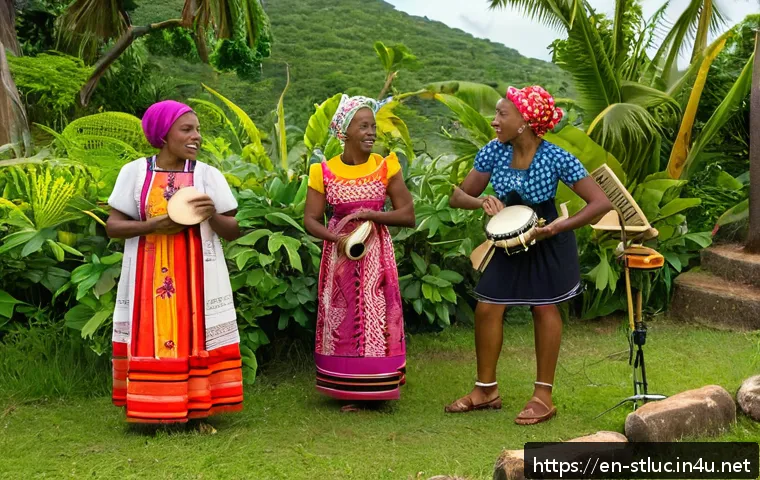
Contemporary musicians on the island are creatively blending folk elements with genres like reggae, jazz, and pop, introducing Saint Lucian sounds to a global audience.
These artists respect their roots while pushing boundaries, crafting music that resonates with younger generations without losing authenticity. I’ve had the chance to listen to several emerging talents who describe their work as a dialogue between history and modernity, a fusion that keeps the island’s musical story alive and evolving.
Musical Heritage in the Global Spotlight
International Recognition and Collaborations
Saint Lucia’s folk music has increasingly attracted attention beyond the Caribbean, with artists collaborating internationally and festivals featuring island sounds.
This global exposure has opened doors for cultural exchange and economic opportunities, benefiting local musicians and communities. From what I’ve observed, these collaborations are often heartfelt partnerships that celebrate the island’s uniqueness while embracing diverse influences.
The result is music that honors tradition but also speaks a universal language.
Tourism and Cultural Sustainability
Music is a powerful draw for visitors seeking authentic cultural experiences, and Saint Lucia leverages its musical heritage to enrich tourism. Live performances, music-themed tours, and artisan markets provide immersive encounters that support local economies.
However, there’s a delicate balance between commercialization and preservation. I’ve noticed that many cultural practitioners are mindful of maintaining integrity, ensuring that music remains a genuine expression rather than just a product.
This approach helps sustain the island’s artistic identity amid growing global interest.
Challenges and Opportunities for Future Generations
While Saint Lucia’s musical traditions are thriving, they face challenges such as globalization, shifting youth interests, and resource constraints. Yet, these hurdles also inspire innovation and renewed commitment among artists and educators.
Community-driven initiatives and digital platforms are emerging as vital tools for sharing and documenting folk music. In conversations with cultural leaders, there’s a palpable optimism about the future, grounded in the belief that preserving these sounds means nurturing the island’s spirit and identity for years to come.
| Aspect | Description | Examples |
|---|---|---|
| Instruments | Core tools creating Saint Lucia’s distinctive sound | Banjo, Cuatro, Tambourine, Steel Pan |
| Musical Styles | Traditional and contemporary genres blending history with innovation | Folk, Soca, Calypso, Jazz-infused Folk |
| Dance Forms | Physical expressions complementing musical narratives | Kwadril, Community Social Dances |
| Community Role | Music as a vehicle for storytelling, social cohesion, and education | Call-and-Response, Festivals, Workshops |
| Global Influence | International collaborations and cultural tourism impact | Music Festivals, Artist Partnerships, Cultural Tours |
The Language of Celebration: Songs That Unite Generations
How Music Bridges Age Gaps
One of the most beautiful things about Saint Lucian folk music is how it effortlessly brings together people of all ages. During community gatherings, it’s common to see elders sharing songs with children, creating moments where wisdom and joy flow naturally.
This intergenerational exchange reinforces cultural identity and nurtures respect for tradition. I’ve witnessed grandparents teaching the younger ones lyrics and dance steps, a process that feels less like instruction and more like passing on a cherished family secret.
The Role of Music in Healing and Resilience
Beyond entertainment, music in Saint Lucia serves as a source of comfort and strength during difficult times. Songs addressing themes of hardship, hope, and perseverance resonate deeply with listeners, providing emotional release and solidarity.
In personal conversations with islanders, many have shared how certain folk tunes helped them cope with loss or challenges, highlighting music’s therapeutic power.
This emotional connection is a vital reason why these traditions continue to thrive despite modern pressures.
Community Events That Celebrate Musical Identity
Events such as village fairs, church socials, and national holidays often center around music, reinforcing its role in social cohesion. These occasions provide opportunities for communal singing, dancing, and storytelling that affirm shared values and histories.
From attending a local fête to joining a church choir, I found these experiences to be vibrant expressions of Saint Lucian identity, where music acts as both a celebration and a unifying force.
Educational Pathways: Passing the Torch of Tradition
Formal Music Education and Folk Curriculum
Saint Lucia’s schools have increasingly incorporated folk music into their curricula, recognizing its importance in cultural literacy. Students learn not only the technical skills but also the historical context and social significance of traditional tunes.
This holistic approach fosters pride and understanding from a young age. I recall meeting teachers who passionately describe how their students’ engagement with folk music sparks curiosity and connection to their heritage.
Mentorship by Local Masters
Many folk musicians act as mentors, offering personalized guidance to apprentices eager to master the art. This one-on-one transmission ensures that subtle techniques and nuances are preserved.
Having observed a few mentorship sessions, I was impressed by the patience and dedication involved, as well as the strong bonds formed between mentors and learners.
It’s a testament to the communal nature of Saint Lucian music, where knowledge is a gift shared freely.
Digital Platforms Supporting Learning and Preservation
Technology is playing an increasingly important role in documenting and teaching Saint Lucian folk music. Online tutorials, recorded performances, and social media groups make the music accessible to a wider audience, including diaspora communities.
I’ve explored several digital resources created by local artists and cultural organizations, which combine traditional knowledge with modern tools to engage new generations.
This fusion of old and new promises to keep the island’s musical heritage vibrant in the digital age.
Concluding Thoughts
Saint Lucia’s traditional music is a vibrant reflection of its rich cultural heritage and communal spirit. From the heartfelt rhythms to the lively dances, every element tells a story of resilience and celebration. Experiencing this music firsthand reveals not just sounds but a living, breathing culture that continues to evolve while honoring its roots.
Helpful Information to Know
1. Traditional instruments like the banjo and steel pan are central to Saint Lucian music’s unique sound, blending African and Caribbean influences.
2. Call-and-response singing invites community participation, making performances interactive and deeply engaging.
3. Festivals such as Carnival and La Rose showcase how music connects spiritual, cultural, and social life on the island.
4. Educational workshops and mentorship programs play a key role in preserving and revitalizing folk traditions for younger generations.
5. Digital platforms and international collaborations are expanding the reach of Saint Lucian music, helping it thrive globally.
Key Takeaways
Saint Lucia’s musical heritage is a dynamic fusion of history, community, and creativity. Its traditions survive through active participation, education, and adaptation, ensuring the music remains relevant today. The balance between honoring the past and embracing new influences is essential for the ongoing vitality of this cultural treasure.
Frequently Asked Questions (FAQ) 📖
Q: uestions about Saint Lucia’s Folk MusicQ1: What makes Saint Lucia’s folk music unique compared to other Caribbean music styles?
A: Saint Lucia’s folk music stands out due to its rich blend of African, French, and indigenous influences, creating a distinctive sound that’s both rhythmic and melodic.
Unlike some Caribbean genres that focus heavily on upbeat dance rhythms, Saint Lucian folk music often tells vivid stories of daily life, history, and cultural identity through heartfelt lyrics and traditional instruments like the cuatro and the banjo.
Experiencing it feels like stepping into the island’s past and present simultaneously, offering a soulful connection that’s hard to find elsewhere.
Q: Where can visitors experience authentic Saint Lucian folk music performances?
A: If you’re planning a trip, the best places to catch genuine folk music are local festivals such as the Saint Lucia Jazz & Arts Festival and the La Rose and La Marguerite cultural celebrations.
These events showcase traditional songs and dances performed by community groups and seasoned musicians. Additionally, smaller venues like village gatherings and local bars often host live performances that provide an intimate and immersive experience.
Personally, I found these grassroots settings more memorable because you get to see the genuine passion behind the music firsthand.
Q: How has Saint Lucia’s folk music evolved in recent years, and is it still relevant to younger generations?
A: While deeply rooted in tradition, Saint Lucia’s folk music has evolved by blending with contemporary genres like soca, reggae, and even hip-hop, making it more accessible to younger audiences.
Many young artists are now reinventing classic tunes with modern twists, which helps keep the culture vibrant and relevant. From what I’ve observed, this fusion approach has sparked renewed interest among the youth, ensuring that these cultural expressions don’t fade but rather adapt and thrive in today’s global music scene.